Learn more about Gochujang paste, a staple in Korean cooking and one of the most essential Korean ingredients. This fermented chili paste adds bold and balanced flavor that’s spicy, slightly sweet, and deeply savory. But more than just heat, Gochujang adds depth and richness. If you’re new to Korean cooking, learning how to use Gochujang is one of the easiest ways to start cooking Korean food at home!
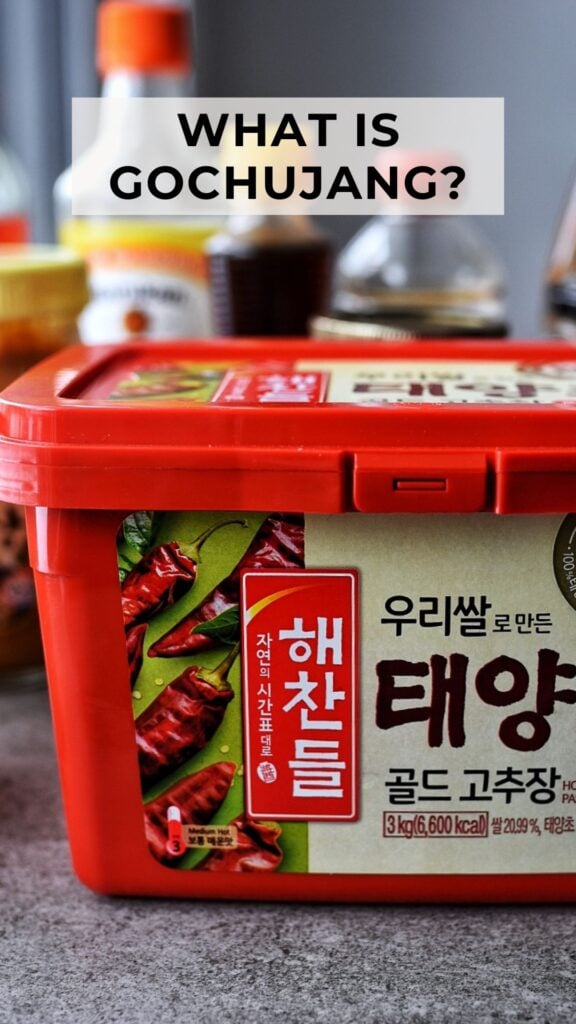
What is Gochujang?
Gochujang is Korean fermented chili paste. A key ingredient in Korean cooking, it’s a thick paste that’s dark-red and full of umami-rich, spicy-sweet flavor.
In Korean cooking, Gochujang is a foundational flavor element. It’s one of three “Jangs,” alongside Doenjang and Ganjang (soy sauce), that make Korean cuisine unique. It adds heat, body, depth, and savory richness.
Note: Gochujang is a spicy paste but it’s not just spicy. It’s full of umami flavor and complexity. Taste one spoonful to experience spice, as well as sweetness, saltiness, and umami.
New to Korean cooking? I walk through essential tips and easy dishes in my Korean Food for Beginners guide.

What is Gochujang made of?
Essentially, Gochujang is made with 4 main ingredients:
- Gochukaru (Korean Red Chili Flakes). Adds spicy heat and color.
- Glutinous Rice. Adds natural sweetness and body.
- Fermented Soybeans. Creates depth and umami.
- Salt. Preserves and enhances flavor.
Traditionally, these ingredients are fermented in a large earthenware pot called Onggi. The fermentation process helps to achieve that signature flavor and richness.
What does Gochujang taste like?
Gochujang is not just spicy. It’s full of complex, layered flavor with:
- Warm heat (rather than sharp)
- Subtle sweetness
- Deep savory flavor thanks to fermented soybeans
- Slight tang from fermentation
Why is Gochujang important in Korean cooking?
In Korean cuisine, Gochujang is a foundational flavor element. The bold flavor and umami richness of Gochjang make it special and unique and provides Korean food with its signature taste.
Gochujang helps to:
- Add heat without overwhelming
- Deepen flavor
- Balance spice and sweetness
- Add body and richness
If you’re building a Korean pantry, this is your starting point.
Popular Korean dishes that use Gochujang
You’ve probably tasted Gochujang, even without realizing it. Whether it’s the main ingredient or a small scoop, Gochujang is a flavor element in a wide range of Korean dishes.
Well-known Korean dishes with Gochujang:
- Tteokbokki. Chewy rice cakes with a spicy-sweet sauce (Cheesy Tteokbokki)
- Bibimbap. Rice bowls with vegetables, protein, and drizzled with Gochujang Sauce
- Korean stew. Soups and stews like Gochujang Jjigae or Army Base Stew
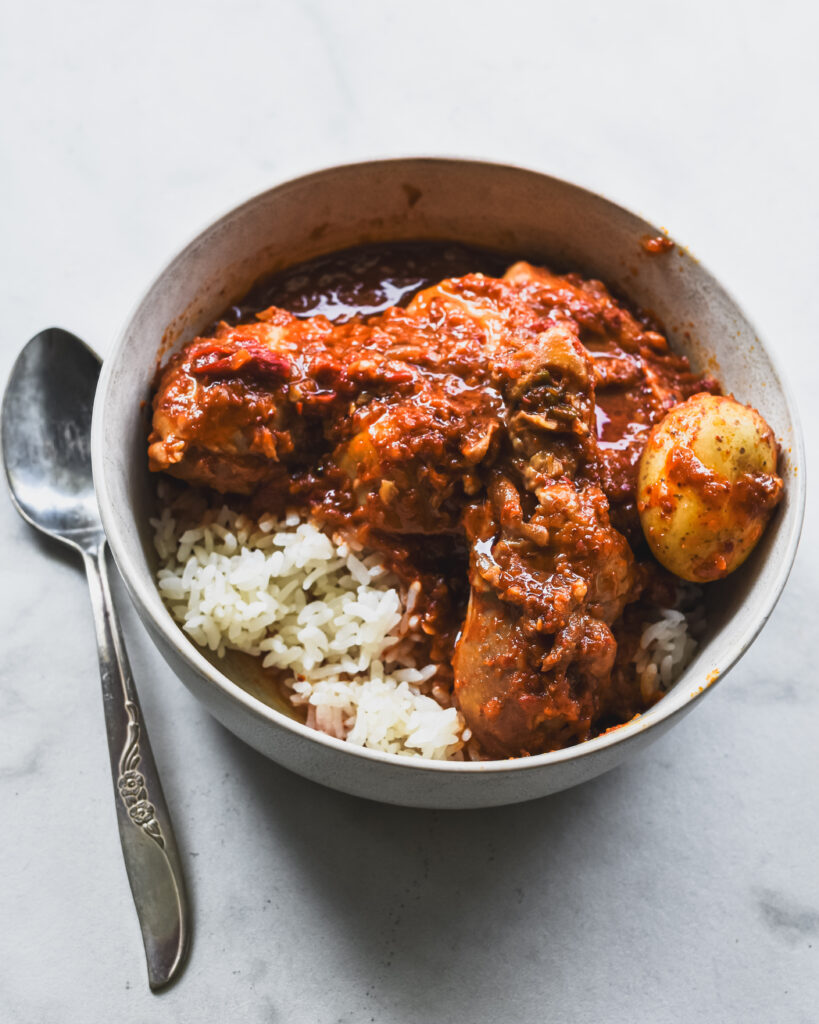
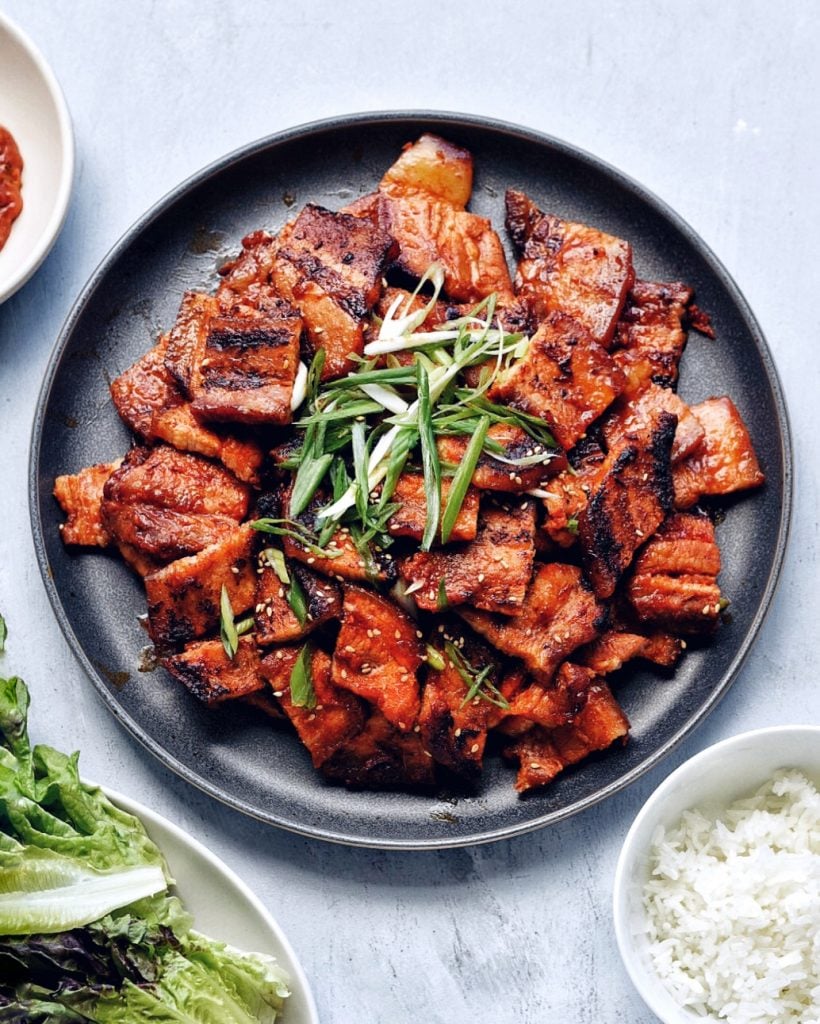
- Meat dishes. Marinated meat or braised dishes with heat and depth like Spicy Pork Belly Bulgogi or Spicy Braised Chicken (Dak Dori Tang)
Check out 7 Easy Recipes with Gochujang for more inspiration.


How to Use Gochujang (Beginner Friendly Tips)
In Korean cooking, Gochujang is used in a variety of ways. Typically, it’s combined with other ingredients (soy sauce, garlic, vinegar, sesame oil, etc.) to create a marinade, glaze, sauce, or dressing. But it’s also added to soups and stews, braised dishes, and fried rice as flavor boosters and thickening agents.
Check out these easy Korean recipes to get you started!
For everyday home cooking, try experimenting:
- Stirring a spoonful into fried rice
- Mixing it with soy sauce and honey for a quick glaze
- Adding to instant ramen for spicy depth
- Whisking into salad dressings


Why is Gochujang So Popular Right Now?
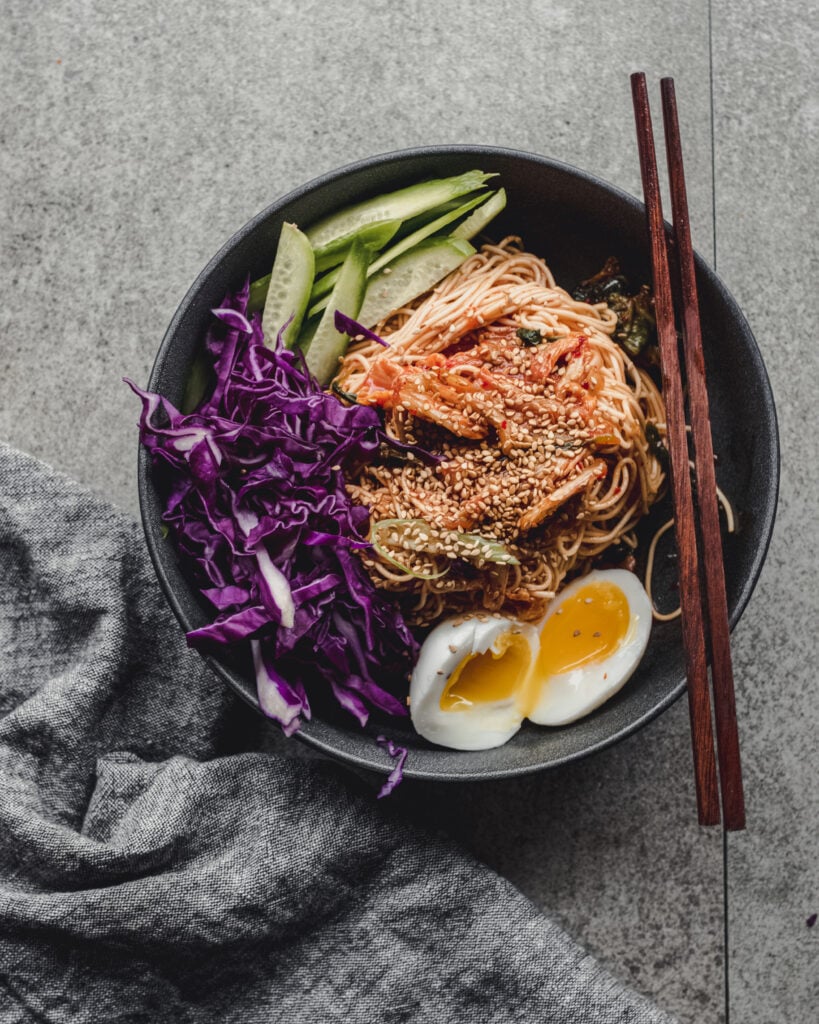
Gochujang delivers complex flavor in one ingredient. Instead of balancing multiple components, Gochujang does it all at once. That’s why it’s showing up in everything from pasta sauces, sandwich spreads, glazes, and fusion dishes.
You only need a small amount of Gochujang to add depth of flavor and a spicy kick. The fermented paste makes versatile sauces and a wide range of dishes with cozy spice.
As an ingredient, a red tub of Gochujang is also easy to store and has a long shelf life. Not surprisingly, it has quickly moved beyond Korean kitchens. It solves a common problem for cooks: how to deliver BIG flavor fast.
Where to Buy Gochujang + How to Store it
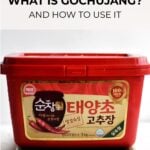
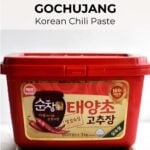
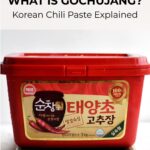
Look for red plastic tubs or glass jars of Gochujang at Korean markets or Asian grocery store. Sometimes, they can be found at major supermarkets (Walmart, Albertsons) or online (Amazon).
When choosing Gochujang, I recommend brands made or manufactured in Korea or by Korean companies. They will taste the most authentic.
Note: Sometimes, Gochujang comes in different spice levels. Read the label carefully to make sure the spice level matches your tolerance.
Storage tips:
- Refrigerate after opening. Store in the fridge, tightly sealed. Gochujang will last a long time in the fridge thanks to its fermentation and salt content.
- Keep the sealed liner. Every tub of Gochujang comes with a sealed liner. Do not remove the liner and throw it away! It will dry out the Gochujang. Instead, open the thin liner partially (about halfway). When you need some Gochujang, open the flap and reach in with a spoon. Then, close it, snap the lid shut, and return to the fridge. This will keep the Gochujang fresh and moist.
- Avoid cross contamination. Use a clean spoon every time!
FAQ
Gochujang is not always gluten-free as many brands contain small amounts of barley malt powder and wheat flower. However, some brands (such as Sempio and specialty brands) do not use wheat or carry gluten-free Gochujang (affiliate). Look for “Gluten-Free” labels or read the ingredient label carefully, avoiding ingredients such as wheat flour, barley malt powder, and wheat starch.
It has noticeable heat but it is balanced with sweetness and umami. Sometimes, Gochujang comes in different spice levels. If you don’t tolerate spice, look for low-spice or less-spicy varieties of Gochujang.
No, Gochujang is not the same as Sriracha. Sriracha is thinner, tangier, and more vinegar forward. It’s a hot sauce than can be added directly to food. Gochujang is thicker, deeper tasting, and more complex. It’s an ingredient (rather than a hot sauce) that comes in the form of a thick paste and not served on its own; instead it’s combined with other ingredients to make into a sauce, marinade, or dressing.
Gochujang, properly stored, can last for several months and up to a year.
There’s no perfect substitute for Gochujang. In a pinch, you could combine miso, chili paste, and sugar to approximate its flavor but it won’t taste quite the same.
Yes, most traditional and commercial brands of Gochujang are vegan. However, some may include ingredients like honey or anchovy-based seasonings. Read the ingredient list to make sure.
More to explore:
- Gochujang Recipe Archive (all recipes that use gochujang)
- Korean Food for Beginners (a great place to start if you are new to Korean cooking)
- Kimchi Recipe Archive (all recipes with kimchi)
- Essential Korean Pantry (coming soon!)