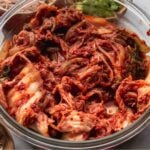
Got a jar of kimchi sitting in your fridge and not sure what to do with it? Try these 20 Easy Recipes with Kimchi. There are so many easy and delicious ways to use kimchi! From quick weeknight dinners to cozy comfort food. Be inspired by these easy ideas for what to make with kimchi!

What is Kimchi?
Kimchi is a fermented vegetable and the national dish of Korea. Typically, it’s made with Napa cabbage and seasoned with gochukaru (red pepper chili flakes), ginger, garlic, and fish products (fish sauce or fermented shrimp).
Kimchi is a staple part of Korean meals. A small amount is served at every meal. Typically, it’s enjoyed as a side dish.
The flavor of kimchi is spicy, tangy, and vibrantly bold. The fermentation process makes kimchi unique and adds sharpness and acidity. The combination of heat, savory, and sharp is hard to describe. Every bite is irresistible and mouth-wateringly delicious!
Younger kimchi is bright but milder with a crisp and crunchy texture. As kimchi gets older, the texture will soften and it will taste more acidic and tangy. Very old kimchi is usually too sour to eat on its own and tastes better in cooked dishes.

Why Cook with Kimchi?
Kimchi is one of the most versatile ingredients in Korean cooking. It adds complexity and instant flavor to every dish. Kimchi also tastes good with a variety of meats and carbs (noodles, rice).
Typically, kimchi is eaten as a side dish, uncooked. All you have to do is transfer to a serving bowl and serve alongside rice, meat, soup, noodles, and other side dishes. That’s it! That spicy, acidic bite of kimchi adds so much flavor.
However, the fermentation process changes the flavor and texture of kimchi substatially. As the kimchi gets older, it won’t taste the same. When kimchi is old and too sour, it tastes better cooked. The cooking process will caramelize the kimchi and transform the flavor.

Quick Ideas: What to Do with Kimchi (No Recipe Needed)
- Add as a side dish
- Add to instant ramen
- Add to fried rice
- Toss into noodles
- Use as a topping for avocado toast
20 Easy Recipes with Kimchi
RICE RECIPES:
1. Kimchi Jumeok Bap with Cheese
Korean Rice Balls flavored with kimchi and a cube of gooey mozzarella cheese in the center. YUM!

The classic. Fast, savory, and a great way to use leftover rice. Dice up tiny cubes of Spam for an easy 15-minute weeknight meal or side dish.
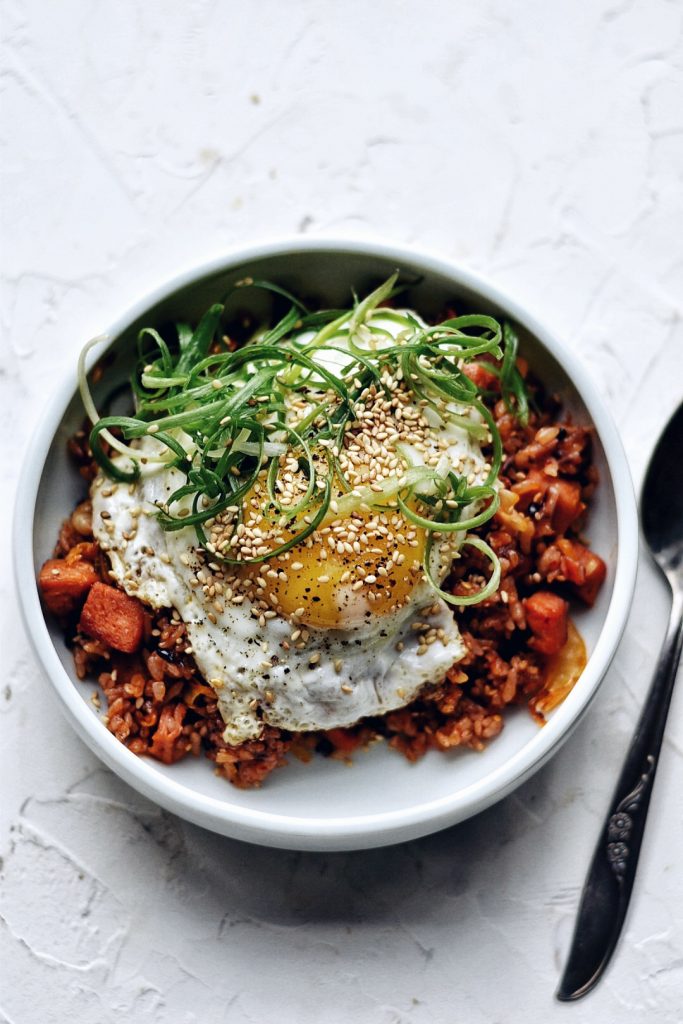
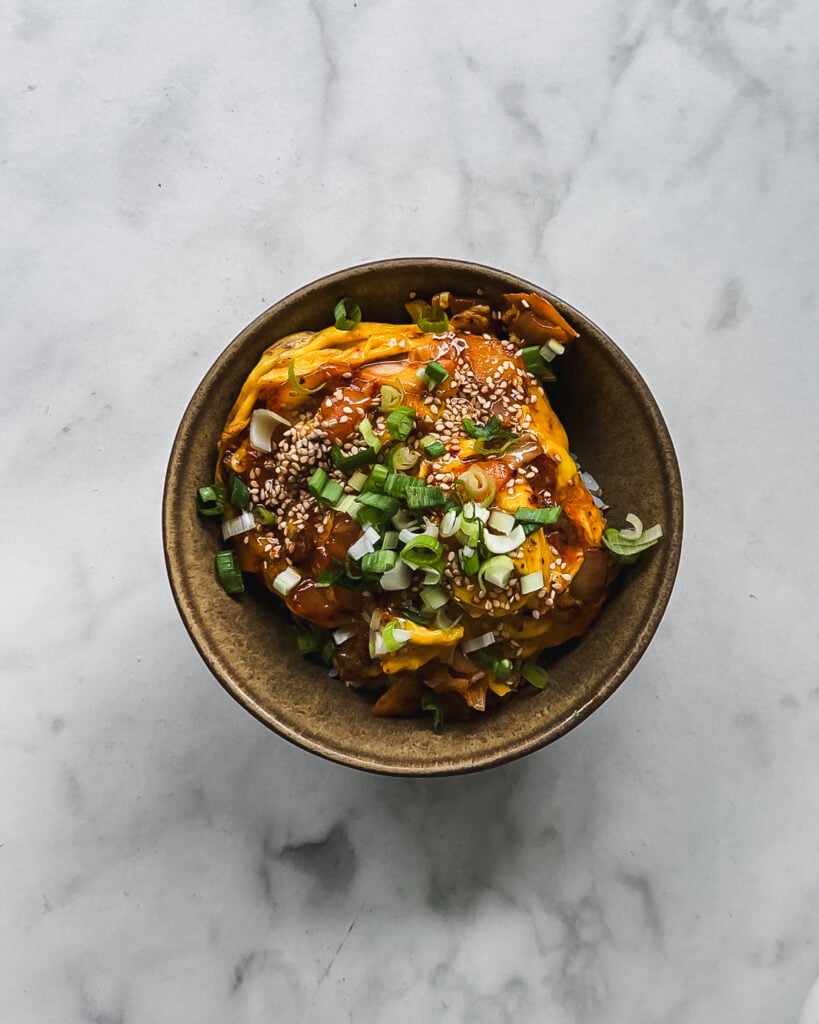
3. Kimchi Scrambled Egg Rice Bowl
Soft and creamy scrambled eggs, spicy kimchi, and warm rice. A comfort meal made in 10 minutes!
4. Kimchi Tuna Rice Bowl (Tuna Kimchi Deopbap)
A fast and easy no-cook rice bowl with canned tuna, kimchi, drizzles of kewpie mayo and crumbled nori (gim).

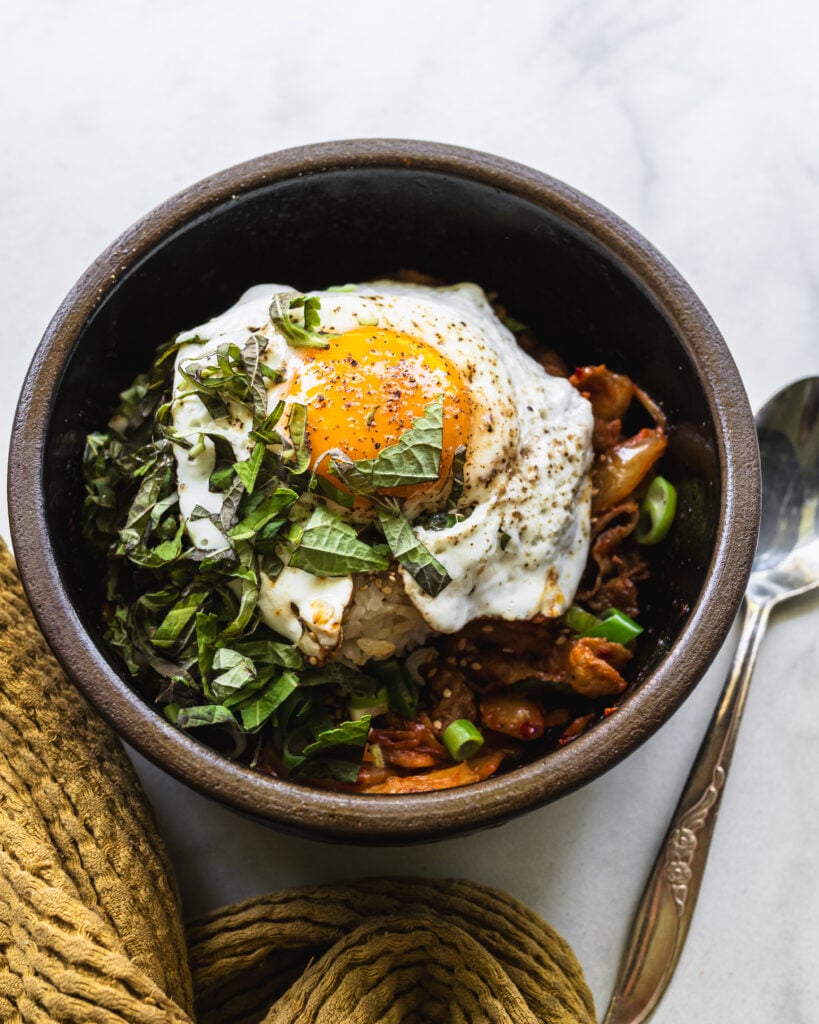
A protein-forward weeknight meal with kimchi, pork, and rice. Cook in a Korean Clay Pot and serve sizzling hot!
NOODLES:
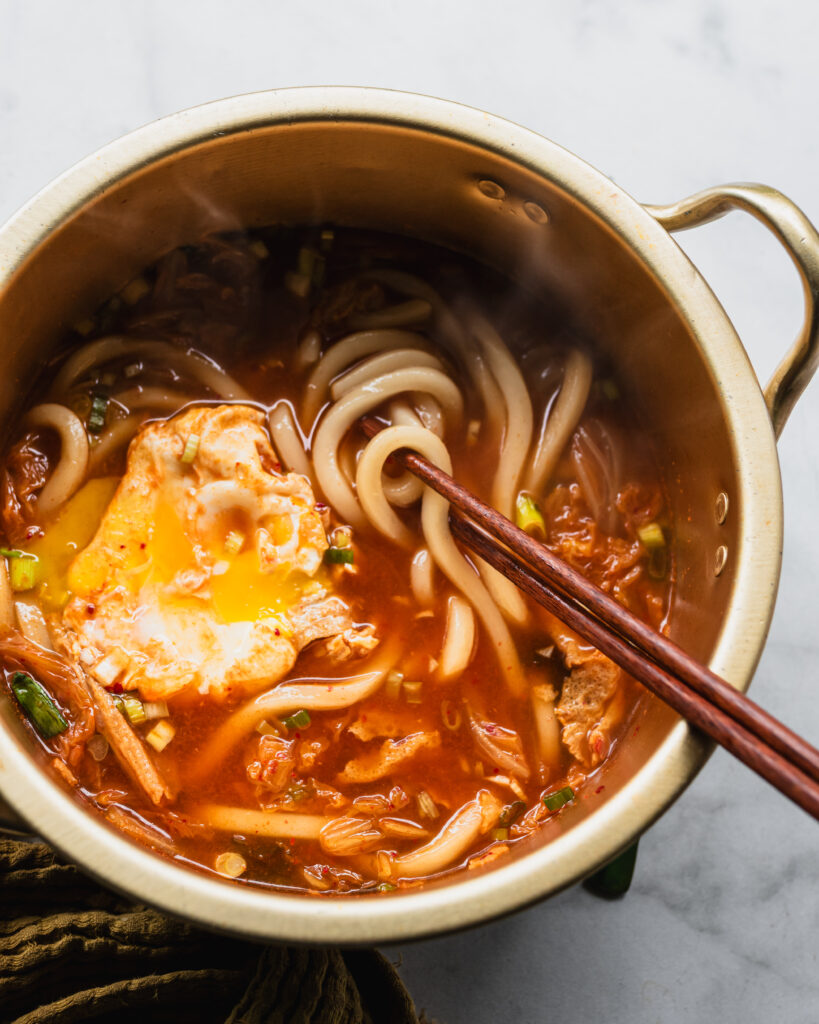
Thick and chewy udon noodles with a spicy and tangy kimchi broth.
Korean cold noodles mixed with kimchi. All you need are thin wheat noodles (Somyeon) and a 5-minute pantry sauce. Add veggies and soft boiled eggs for a complete meal.

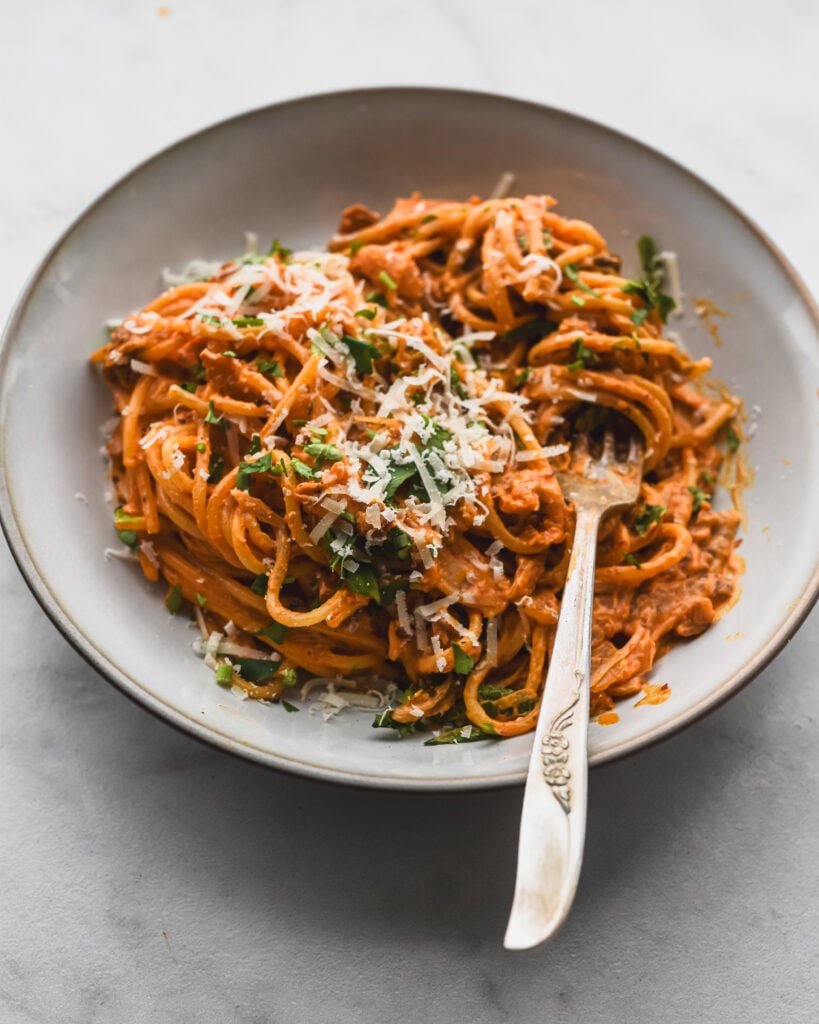
An easy pasta dish flavored with spicy kimchi and a creamy carbonara-style sauce.
STEWS + SOUPS
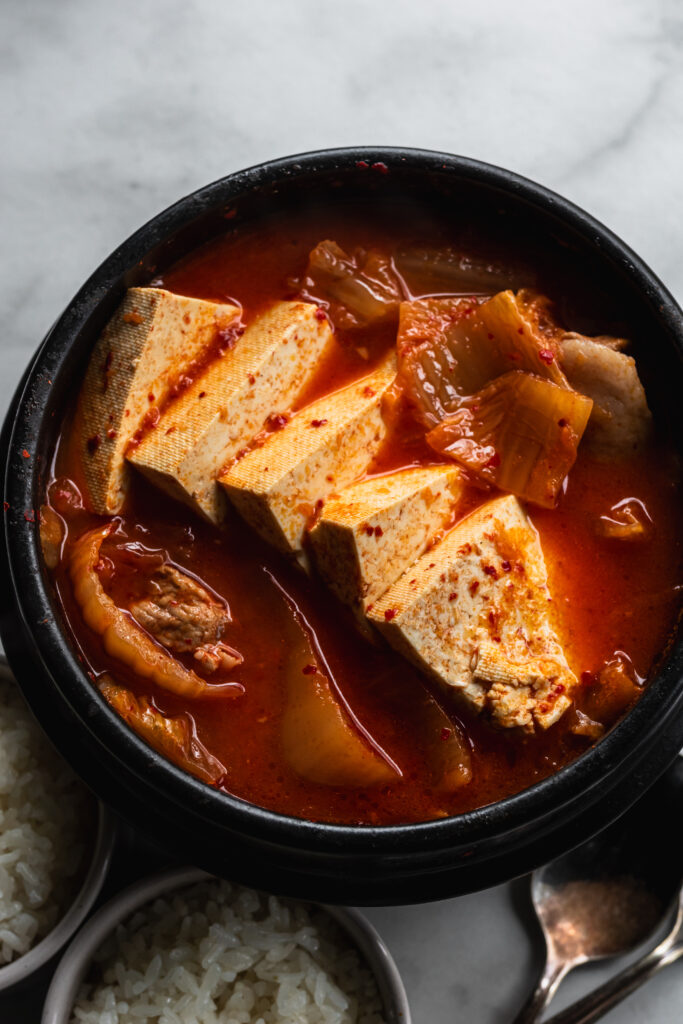
9. Beginner Friendly Kimchi Jjigae
An easy kimchi stew made with old kimchi and pork. Cozy comfort food at its best!
Another kimchi jjigae recipe, this time made with canned tuna.
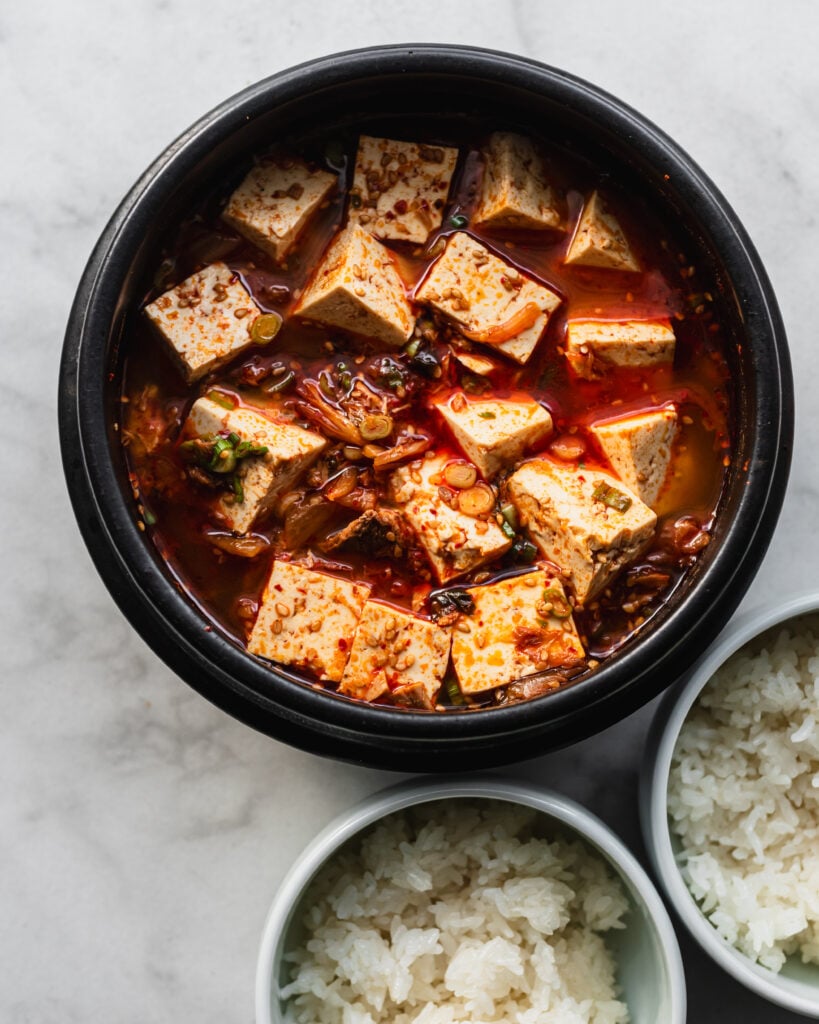
A family-friendly, party-worthy kimchi jjigae made with indulgent fatty pork belly.

11. Budae Jjigae (Army Base Stew)
Share a bubbling South Korean hot pot with spicy broth, spam, hot dogs, and instant noodles.

SNACKS + SIDES
12. Kimchi Pancakes
Crispy and savory pancakes loaded with kimchi.
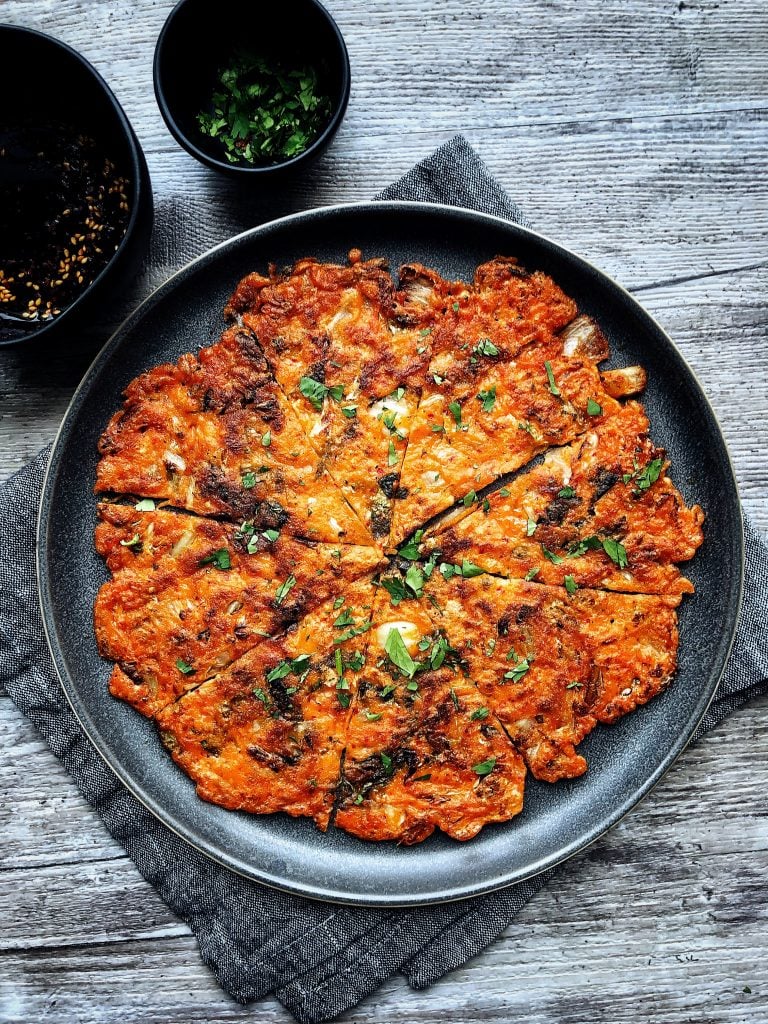
13. Stir Fried Kimchi Side Dish
An easy side dish that tastes good with just about everything!

14. Kimchi Dumplings
Korean Mandu (dumplings) flavored with spicy kimchi, tofu, and ground pork.

BRAISED:
15. Braised Kimchi (Kimchi Jjim)
Stewed kimchi made fancy with sliced pork belly and tofu. Fancy enough for dinner with friends. Easy enough for weeknight dinner!

FUSION DISHES:
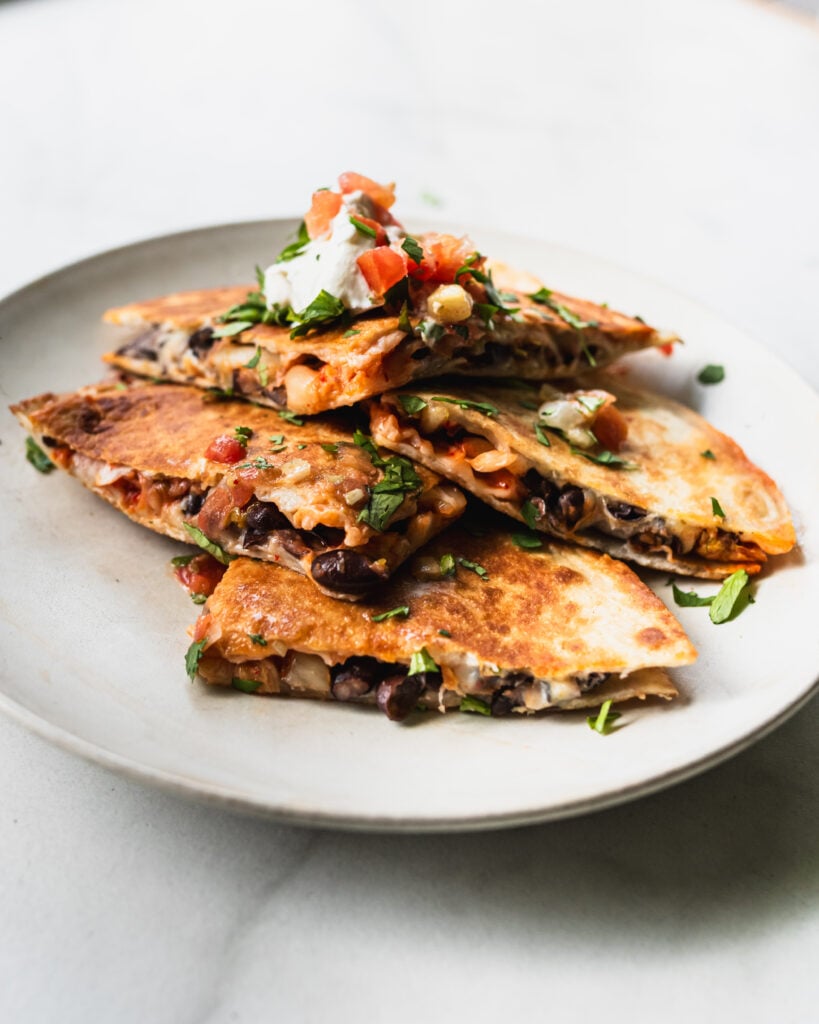
16. Black Bean Kimchi Quesadillas
Crispy, cheesy, and with a spicy kick of flavor!
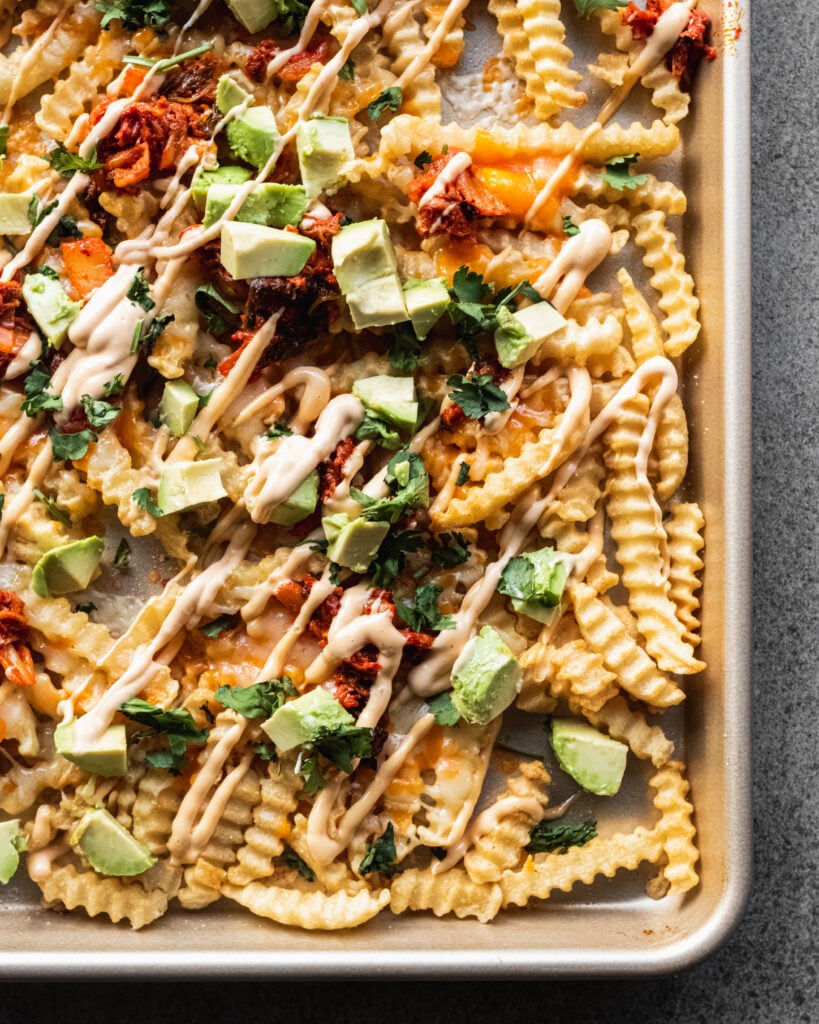
Crispy fries topped with spicy, tangy kimchi and gooey cheese. So simple and so good!
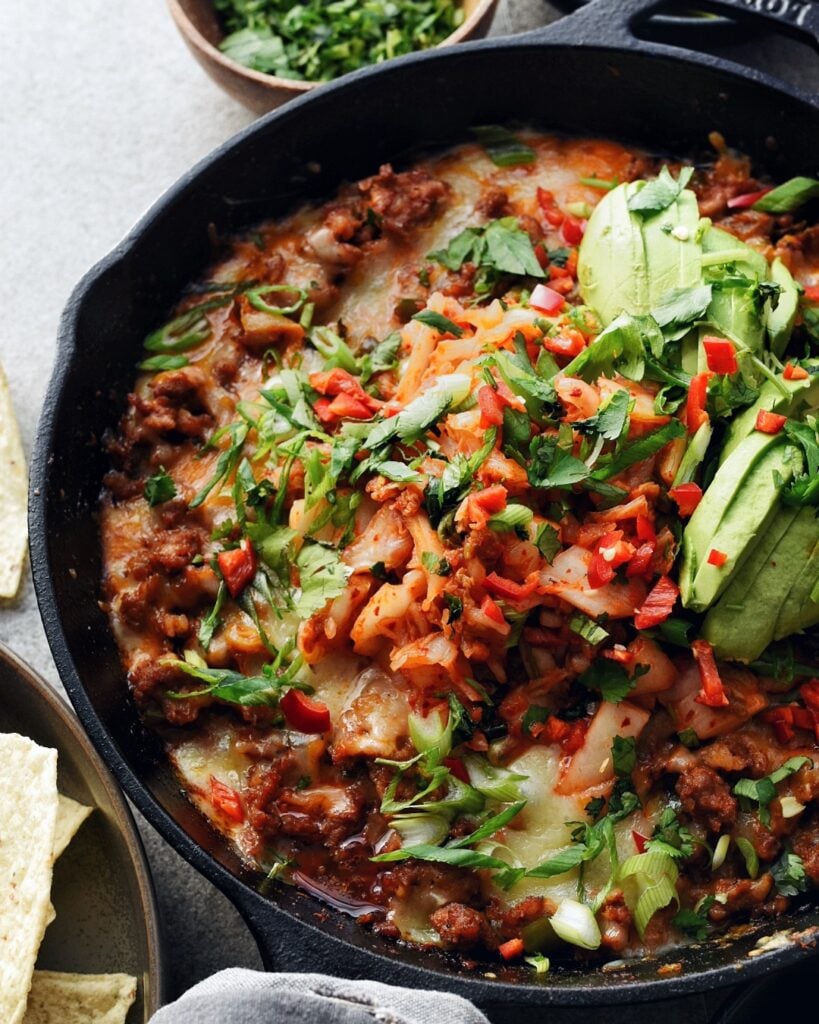
A classic Tex Mex dip made better with kimchi. Serve with tortilla chips for the ultimate appetizer or game day snack.
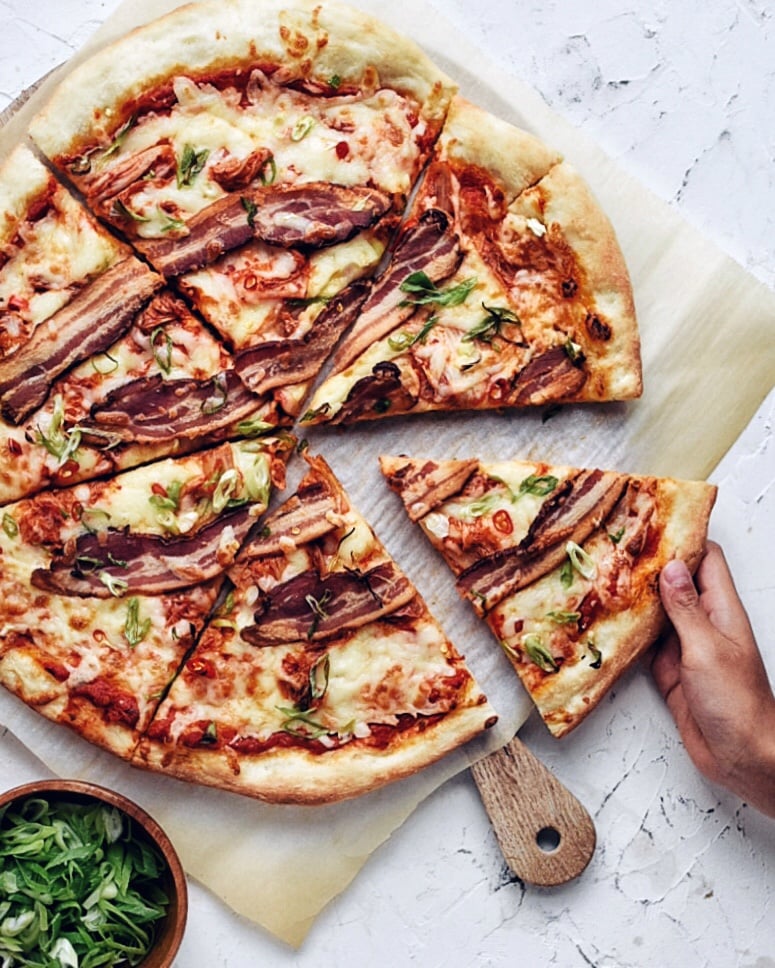
19. Kimchi Pizza
Perfect for pizza night. Kimchi tastes so good on pizza with cheesy mozzarella and crispy bacon!
20. Thick Cut Pork Chops with Kimchi Pan Sauce
An easy way to put dinner on the table. Sear thick pork chops and make a pan sauce with kimchi. Serve with rice for a easy, delicious weeknight meal.

PRO Tips for Cooking with Kimchi
- Snip kimchi with scissors. Sometimes, recipes call for chopped kimchi. Instead of chopping kimcho on a cutting board, try this easy Korean kitchen hack: transfer the kimchi to a small bowl and snip with scissors. Fast and easy with less mess!
- Sauté to deepen flavor. Cooking the kimchi will concentrate the flavor and also lesson the sharpness. Especially good for old kimchi, as it will mellow and soften the sourness.
- Balance with fat (butter, cheese, sour cream, sesame oil). The sharp, spicy bite of kimchi tastes good when balanced with a little fat. The fat cuts through the acidity of the kimchi.
- OLD Kimchi tastes best cooked. Do not throw away old kimchi! The older the kimchi, the better it tastes when cooked.
How to Store Kimchi
- Keep refrigerated. Store kimchi in the fridge. Preferably, in the coldest part of the fridge near the back.
- Flavor deepens over time. Kimchi is a fermented food and keeps aging over time. The older the kimchi, the more acidic and pungent the kimchi will be.
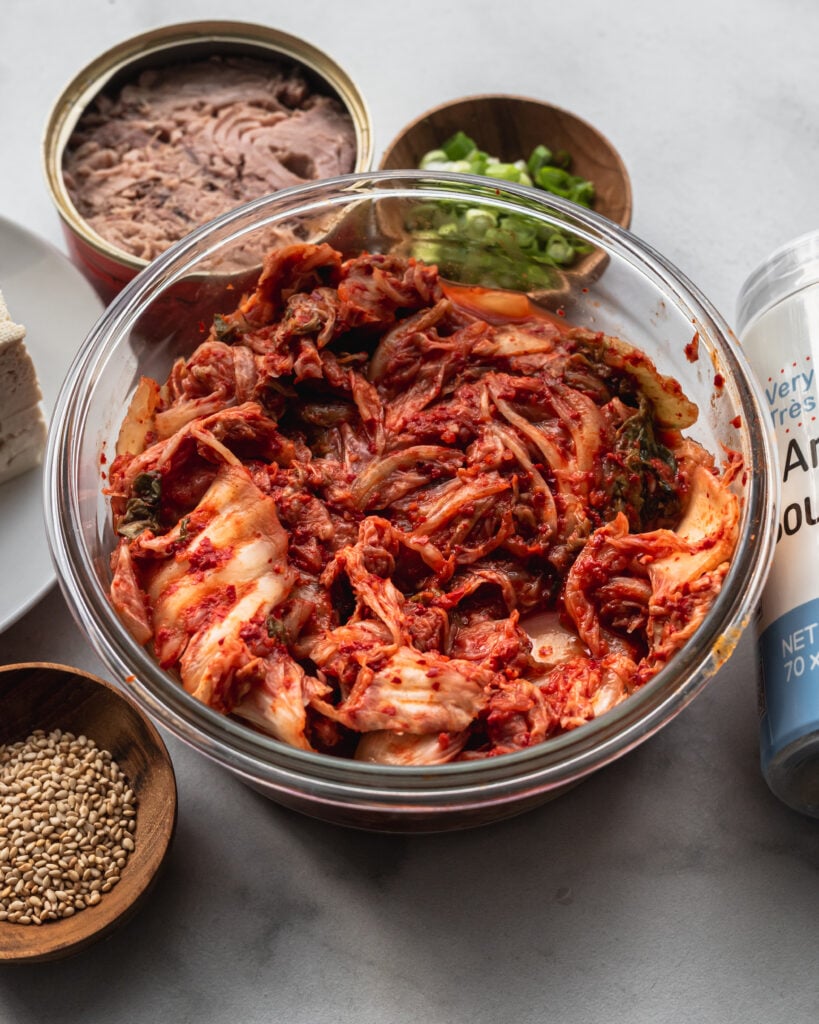
- Transfer to a smaller container. If you buy a giant jar of kimchi, it’s difficult to access on a daily basis. Instead, transfer some to a medium sized container and refill as necessary. I buy a big jar of kimchi and transfer a smaller amount to a medium-sized glass container with a locking lid. Whenever I want to eat kimchi, I pull out this kimchi container and serve directly on the table. Makes it easier instead of pulling out the entire jar and plating it each time.
FAQ
Technically, kimchi doesn’t go bad. Some Korean restaurants famously serve 2-year old kimchi. However, it’s stored in very specific conditions. A good rule of thumb: kimchi is not safe to eat if there’s mold or the texture is overly mushy.
Old kimchi is soft, dark red, very juicy, and very sour. When you take a bite, it tastes “fizzy.” The flavor will be too sour to eat alone. Generally, old kimchi is about 4-6 months old.
Kimchi is nutrient-dense and full of probiotics, fiber, antioxidants, and vitamins. It’s packed with Lactobacillus, a gut-healthy live culture that improves immunity and digestion. However, it’s also high in sodium.
Yes, kimchi can be eaten everyday. Many Koreans eat it daily, albeit in moderation. About 1/2-1 cup per serving. Please check with medical professionals before consuming daily if you have histamine intolerance or high blood pressure.
A kimchi fridge is a refrigerator set to specific temperature and humidity levels. Koreans store kimchi in a separate fridge so that it doesn’t ferment too quickly. You can use a regular fridge or buy one from the Korean grocery store. Although it’s not necessary, it’s nice to have if you make and consume a lot of kimchi. A kimchi fridge ensures the ideal conditions for kimchi to last a long time without becoming overly fermented or going bad.