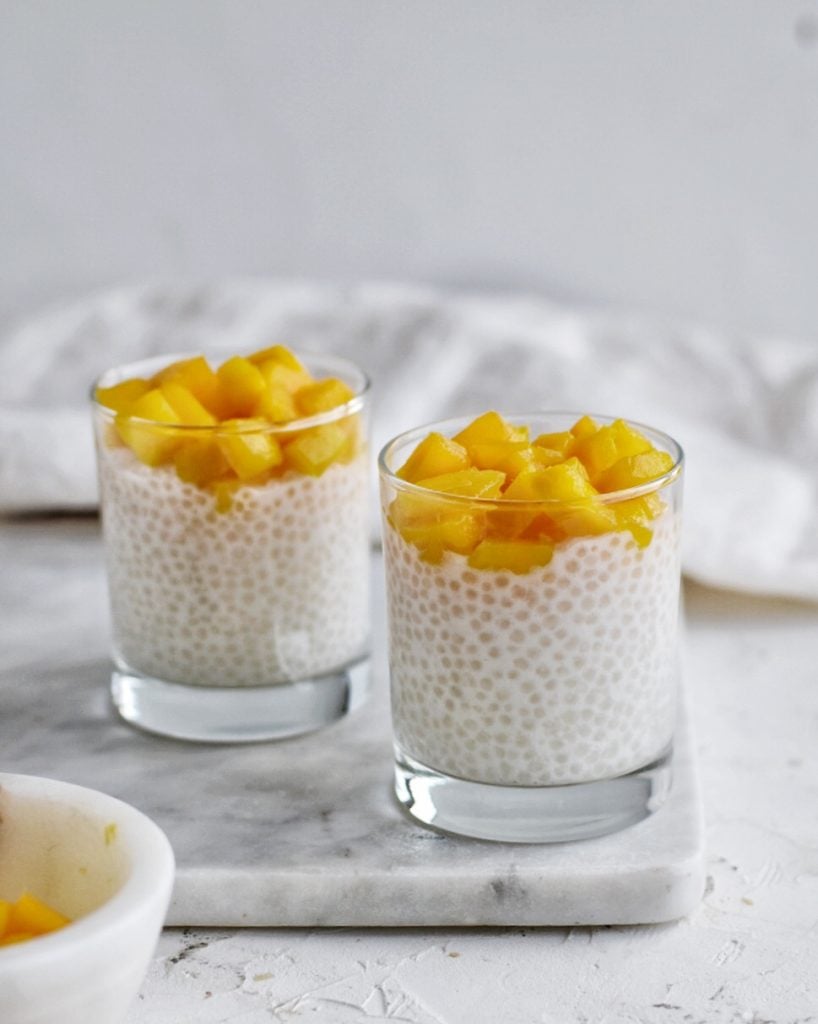
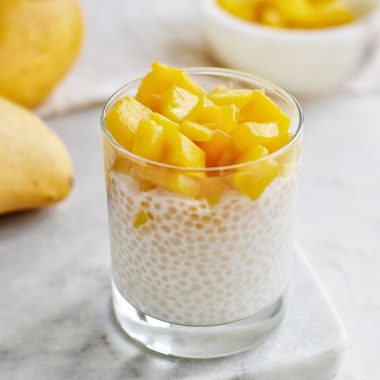
An easy and delicious dessert that’s not too sweet: Mango Sago! A popular Asian dessert starring Sago or small tapioca pearls. They are chewy and bouncy and so much fun to eat! Cook the Sago then add to a creamy coconut milk base. The soupy dessert can be enjoyed hot or cold. Make sure to top with plenty of fresh, sweet mango!

What is Mango Sago?
Mango Sago is a soupy Asian dessert served in Hong Kong and other parts of Asia. Served in a bowl or small cup with a spoon, there’s nothing as good as this milky dessert with chewy tapioca pearls and topped with fresh mango. A favorite summer dessert for those scorching hot summer days!
The star ingredient is Sago, an edible starch made from the pith of sago palm trees. Also known as tapioca pearls, they add a satisfying texture to desserts and drinks (like Boba or Bubble Tea). They are gluten-free, dairy-free, and vegan.
A classic Cantonese dish, Mango Sago is creamy and milky and not-too-sweet. It highlights the flavor of sweet mango. Add as much or as little as you like! But feel free to swap with your favorite fruit. In Asian restaurants and cafes, the coconut milk base is also topped with strawberries, melon, taro, coconut jelly, or grass jelly.
To keep things simple, my recipe includes a base of lightly sweetened coconut milk. Add the chewy pearls and top with sweet mango. The perfect dessert that’s easy to make!
The most difficult part will be cooking the Sago or small tapioca pearls. They release quite a bit of starch and excess gel when cooked.
Also, cook to your personal preference. Some people prefer Sago completely soft. While others prefer it chewy with a little bit of bounce. I’ve included notes for both preferences below.
More sago recipes: Peach Yakult Sago Drink and Korean Strawberry Milk with Sago.
Ingredients
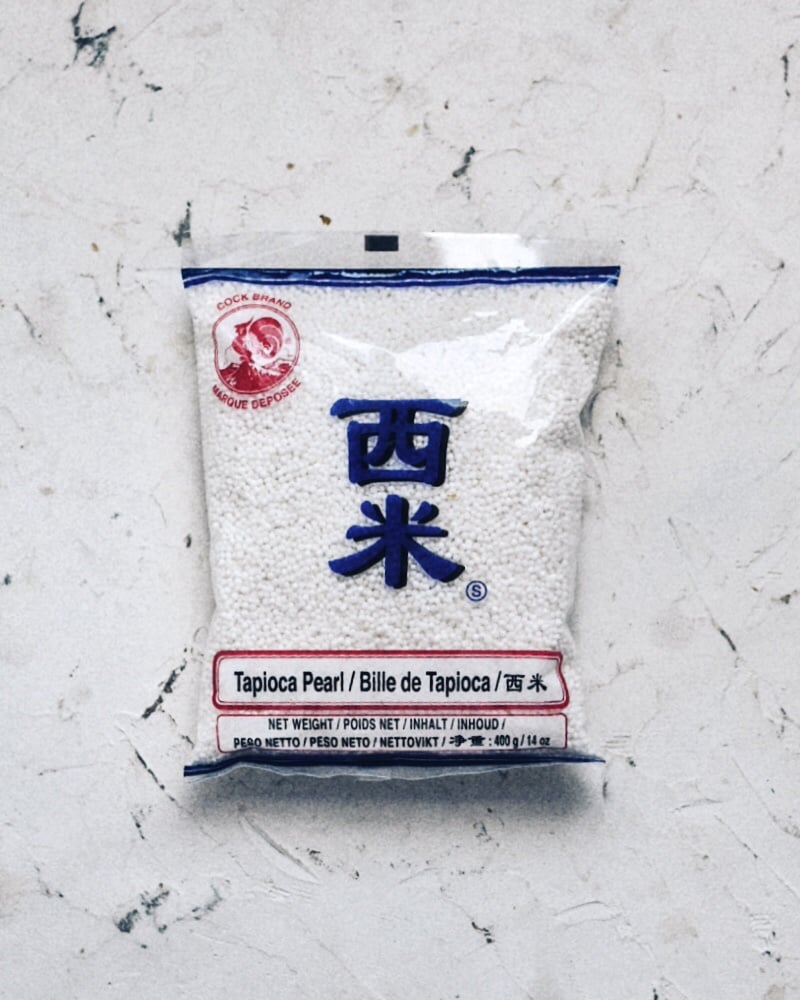
- Sago. Sago, also known as Tapioca Pearls, are edible starch balls. Look for Sago at Asian markets, where they come in different sizes and colors. Sago will sometimes be labeled “Tapioca Pearls” and they will be white and very small.
- Coconut Milk. Canned, full-fat coconut milk is best.
- Sugar. Adds sweetness. Swap with Agave syrup, maple syrup, honey or sweetner of your choice. Depending on your sweet tooth, adjust the sweetness level.
- Mango. Choose ripe mangoes for the best flavor. I prefer Ataulfo mangoes which are smaller, sweeter, and less fibrous. But choose the type of mango that you like best. In a pinch, frozen mangoes also work.

How to make Mango Sago recipe:
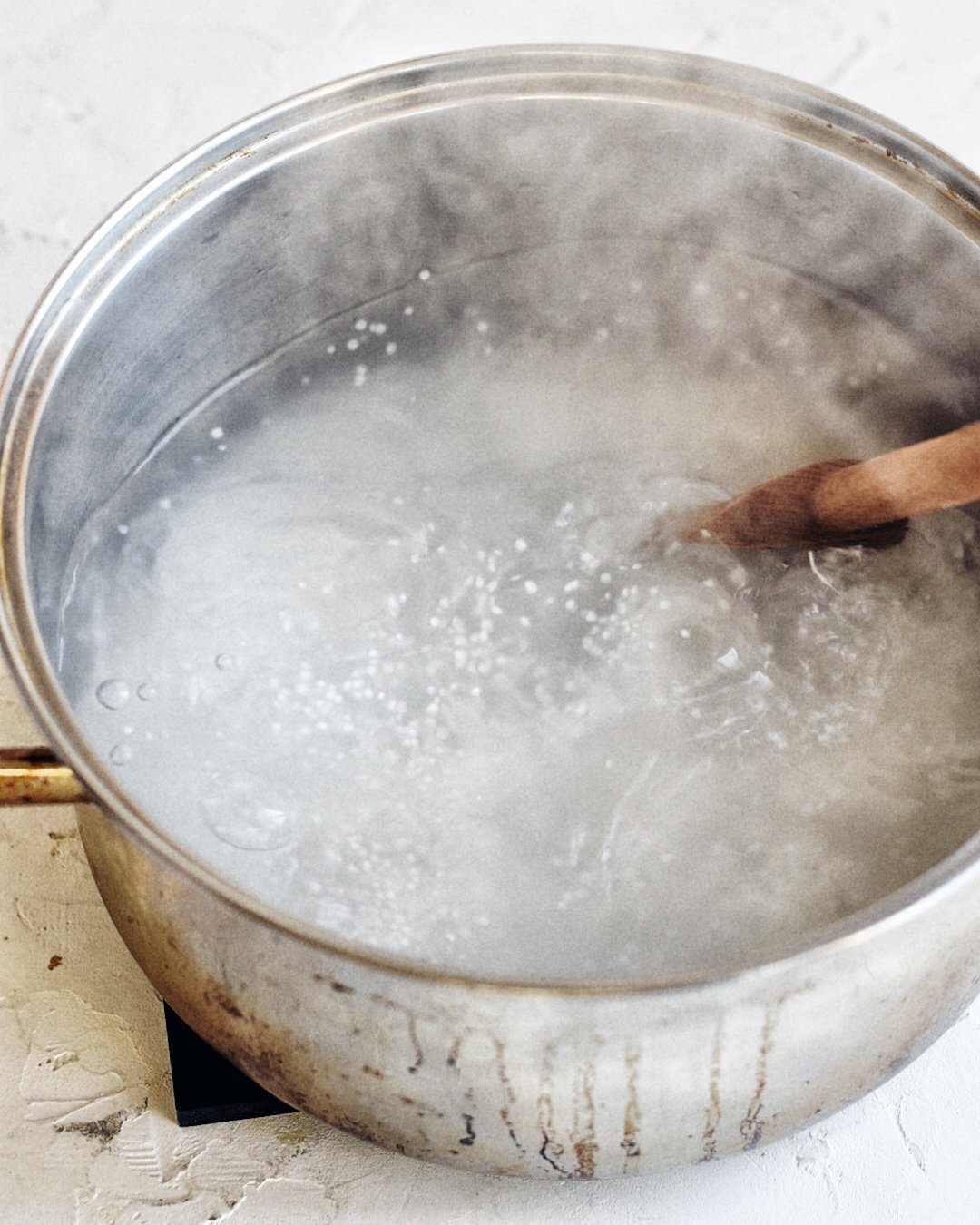
- Cook Sago. Bring a medium pot of water to a rolling boil. Add small tapioca pearls to the hot water. Cook until the sago are translucent, stirring frequently, about 10-12 minutes. The balls should be mostly clear with a few white centers or white dots here and there.
- For SOFT Sago: After cooking for 10-12 minutes, cover the pot and remove from the heat. Rest for 10 more minutes. This will soften the Sago until it’s completely translucent.
- Drain Sago. Use a fine mesh sieve to drain the cooked tapioca pearls. Add cold water to rinse off the excess starch and excess water. Stir constantly, until the tiny tapioca pearls are cool to the touch.
- Make coconut milk. While the sago cooks, make the coconut milk mixture. Add coconut milk and sugar in a large (at least 4-cup) measuring cup or large bowl. Whisk well, making sure there are no clumps of coconut milk and the sugar dissolves.
- Make Coconut Sago Pudding. After the Sago is fully cooked and drained, add the cool sago. Mix gently to combine. It will look soupy.
- Serve. Transfer to cups or small bowls. Top with chopped, fresh mango chunks. Serve immediately!


PRO Tips:
- Add Sago to BOILING water. Sago pearls contain a lot of starch and the balls can dissolve when cooked incorrectly. Add to boiling water (with big bubbles breaking the surface) to instantly seal the sago balls and prevent overcooking.
- Make in advance. Mango Sago can be prepared ahead of time. However, do not combine with the coconut milk mixture until right before serving. Instead, cook the sago, drain, and store in an air-tight container. When its time to serve, add to the coconut milk mixture and stir.
- For soft Sago, cover for an additional 10 minutes. After cooking, cover with a lid and remove from the heat. As it rests, it will become completely soft and translucent.
- For chewy Sago, drain after 10-12 minutes of cooking. For a chewier texture, drain immediately after 10-12 minutes of cooking. The sago balls should be mostly clear but some will have a small white dot in the center.
Variations:
Sago with coconut milk works as a fantastic base for many other flavors. Make it your own and change it up with seasonal fruit and toppings.
- Fresh fruit. Add seasonal fresh fruit. Strawberries, Blueberries, Passionfruit, Pomelo, Taro.
- Sweetened Condensed Milk. To make it sweeter, add a drizzle of Sweetened Condensed Milk. YUM!
- Mango puree. Add a layer of mango puree. In a food processor, puree the mango flesh and sugar together until smooth. Add to the coconut milk mixture or add on top, for a layered effect.
FAQ
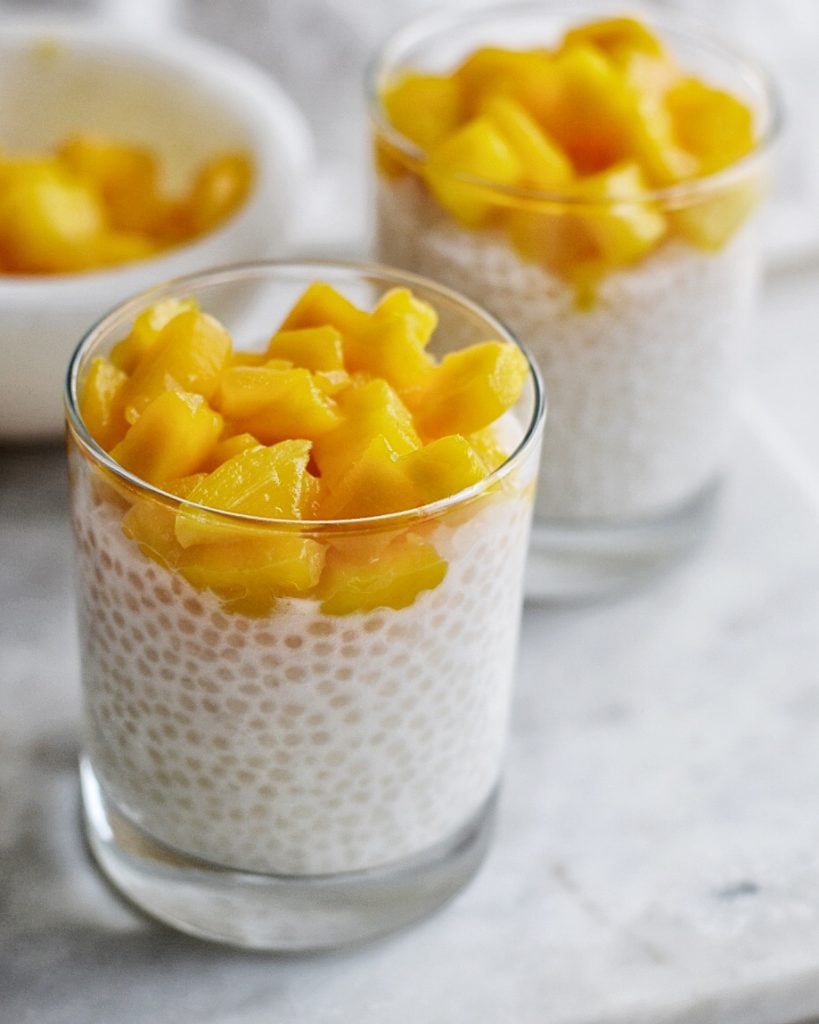
Sago is cooked when the little balls turn clear or translucent. It’s ok if there are a few white dots in the centers here and there. However, the texture is a matter of personal preference. Some prefer Sago that is soft and completely translucent with no white centers. Others prefer Sago to be a little chewy and bouncy.
Mango Sago is best enjoyed the same day it’s made. The texture will not be good the next day.
More desserts:
- Mango Bingsu (Korean Shaved Ice)
- Coffee Jello
- Easy Coconut Mochi Cake
- Matcha Coconut Pudding
- Korean Donuts (Kkwabaegi)
Easy Mango Sago recipe
Equipment
- Fine Mesh Sieve
- medium saucepan
Ingredients
- 1 cup Sago or tapioca pearls (small or fine)
- 1 400 ml/ 13.5 oz can coconut milk (canned) full fat, not from a box
- 1/4 cup sugar
- 2-3 mangoes peeled and diced into 1-inch chunks
Instructions
- Cook Sago. Bring a medium pot of water to a rolling boil. Add mini tapioca pearls to the hot water. Cook until the sago are translucent, stirring frequently, about 10-12 minutes. The balls should be mostly clear with a few white centers or white dots here and there.
- For SOFT Sago: After cooking for 10-12 minutes, cover the pot and remove from the heat. Rest for 10 more minutes. This will soften the Sago until it's completely translucent.
- Drain Sago. Use a fine mesh sieve to drain the sago. Add cold water to rinse off the excess starch. Stir constantly, until the tiny tapioca pearls are cool to the touch.
- Make coconut milk. While the sago cooks, make the coconut milk mixture. Add coconut milk and sugar in a large (at least 4-cup) measuring cup or large bowl. Whisk well, making sure there are no clumps of coconut milk and the sugar dissolves.
- Make Coconut Sago Pudding. After the Sago is fully cooked and drained, add the cool sago. Mix gently to combine. It will look soupy.
- Serve. Transfer to cups or small bowls. Top with chopped, fresh mangoes. Serve with more mango, so people can help themselves. Serve immediately!
Notes
- Add Sago to BOILING water. Sago contains a lot of starch and the tapioca balls can dissolve when cooked incorrectly. Add to boiling water (with big bubbles breaking the surface) to instantly seal the sago balls and prevent overcooking.
- Make in advance. Mango Sago can be prepared ahead of time. However, do not combine with the coconut milk mixture until right before serving. Instead, cook the sago, drain, and store in an air-tight container. When its time to serve, add to the coconut milk mixture and stir.
- For soft Sago, cover for an additional 10 minutes. After cooking, cover with a lid and remove from the heat. As it rests, it will become completely soft and translucent.
- For chewy Sago, drain after 10-12 minutes of cooking. For a chewier texture, drain immediately after 10-12 minutes of cooking. The sago balls should be mostly clear but some will have a small white dot in the center.


Pingback: Coconut Lime Popsicles (Dairy-Free + GF) | The Subversive Table
Pingback: Black Sesame Creme Brulee | The Subversive Table
Thanks for sharing this easy recipe Lis! We tried it the other night and we really liked how the coconut soup doesn’t require cooking – using white sugar makes it dissolve easily into the coconut milk = one less pot to use. We doubled the recipe and it wasn’t too sweet; we did one modification of using cooked taro chunks instead of mango and it still turned out great! We ended up serving it chilled, so it def had a more pudding-like consistency, but I also had it with evaporated milk cus I like mine more soupy. Great and easy recipe! Thanks!