Discover the best Korean soups and stews. Whether you’re craving a hearty Korean stew or a light, savory broth, these easy Korean soup recipes are perfect for home cooking.
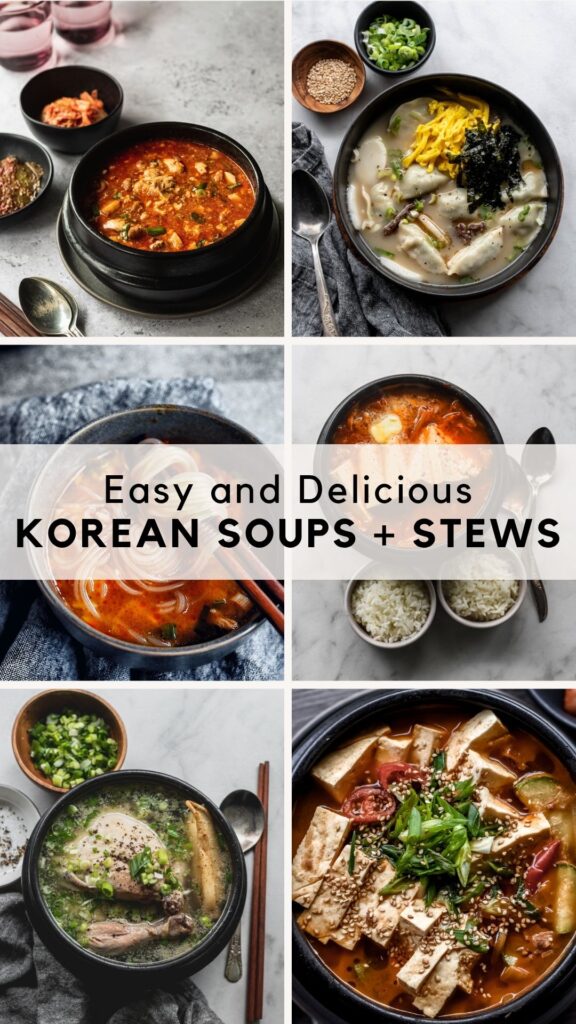
There’s something deeply comforting about a Korean meal with a steaming bowl of soup or stew on the table.
Korean soups and stews aren’t just for cold weather. They are part of everyday Korean cooking.
Some Korean soups are light and brothy. Others are deeply savory, spicy and packed with ingredients. There’s a range depending on preference, seasonality and ingredients. More importantly, they are satisfying and easy to make at home.
Whether you’re new to Korean cooking or looking for your favorite new cozy recipes, start here!
Korean Soups vs Stews: What’s the Difference?
Korean soups and stews come in many forms. Generally, they can be categorized into 3 groups:
Guk (국) generally refers to soup with a clear, light broth. They are generally quick cooking and commonly served as a side soup with rice and side dishes.
Jjigae (찌개) is more like a stew. The broth is intensely flavor and packed with ingredients. Jjigae is often served bubbling hot in a small pot and eaten with rice.
Tang (탕) is also a type of soup, often with a richer, more substantial broth and heartier ingredients. Some tang dishes are simmered a long time to develop deep flavor. The bones are often included in the cooking process.
However, these boundaries are not rigid or strict. Korean food has many regional and family variations, and the names don’t necessarily translate into English.
Note: Korean soups and stews are meant to be eaten as part of a meal. They are often eaten with rice and a few simple side dishes. Enjoy!
Easy Korean Soups and Stews
Everyday Soups
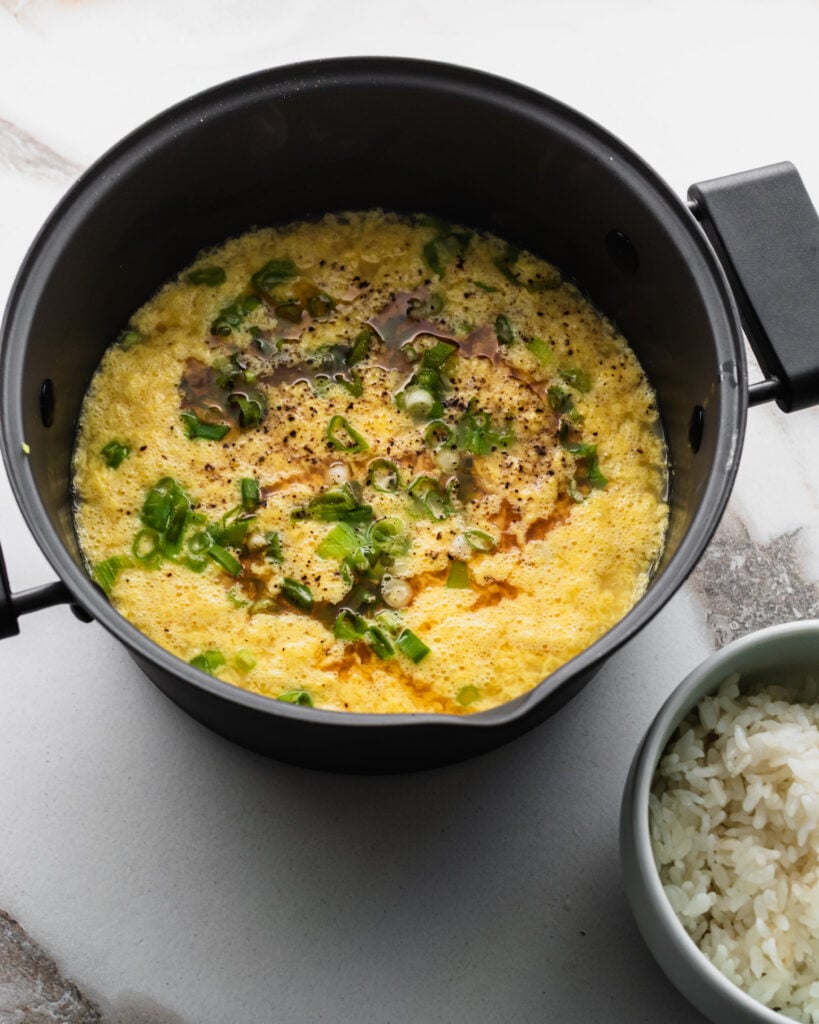
Gyeran Guk (Korean Egg Drop Soup)
One of the easiest Korean soups to make. Soft ribbons of egg simmer in a light savory broth. A light meal or side soup that is nourishing and comforting with lots of flavor.
Best for: quick weeknight meals, breakfast, beginners
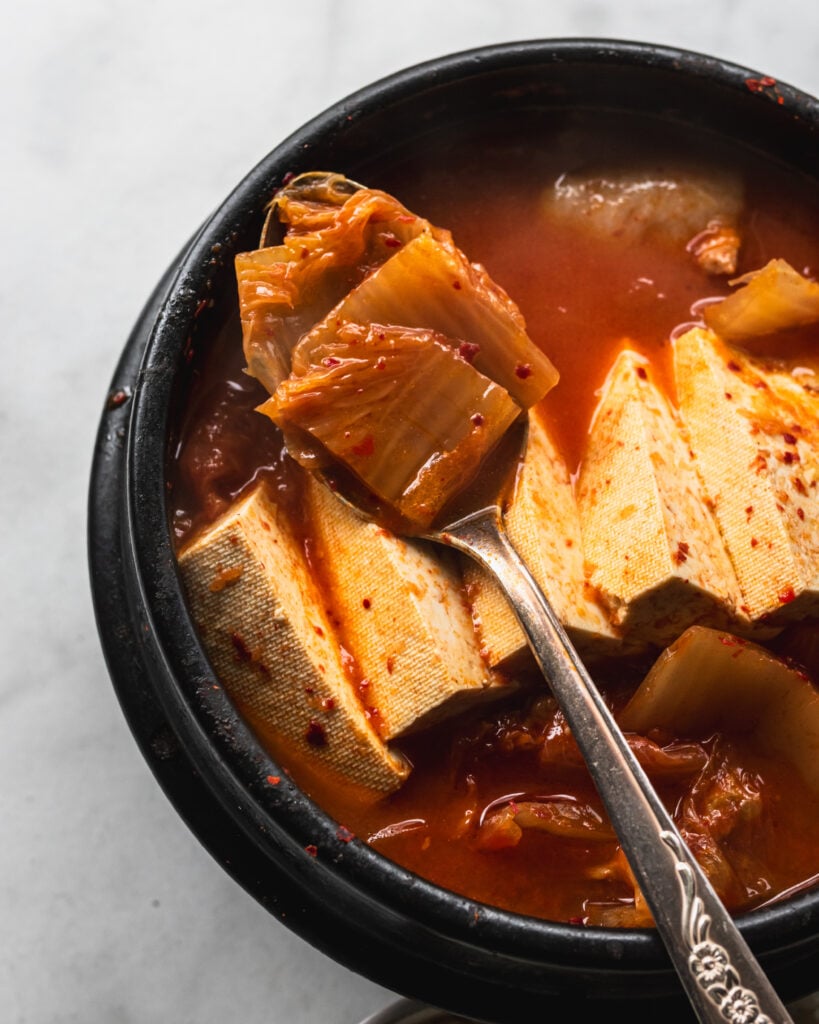
The one Korean stew that everyone should know how to make. Made with aged kimchi and a savory broth. Bold, tangy, spicy and absolutely delicious. Makes great use of old kimchi from the back of the fridge.
Best for: kimchi lovers, cold nights, cozy dinners
Doenjang Jjigae (Soybean Paste Stew)
Korean home cooking at its best. A scoop of Doenjang (Korean soybean paste) adds deeply savory, earthy flavor. Add a few simple ingredients (meat, tofu, seasonal vegetables) for a bubbling pot of deliciousness.
Best for: everyday Korean meals, fermented flavors, pantry cooking
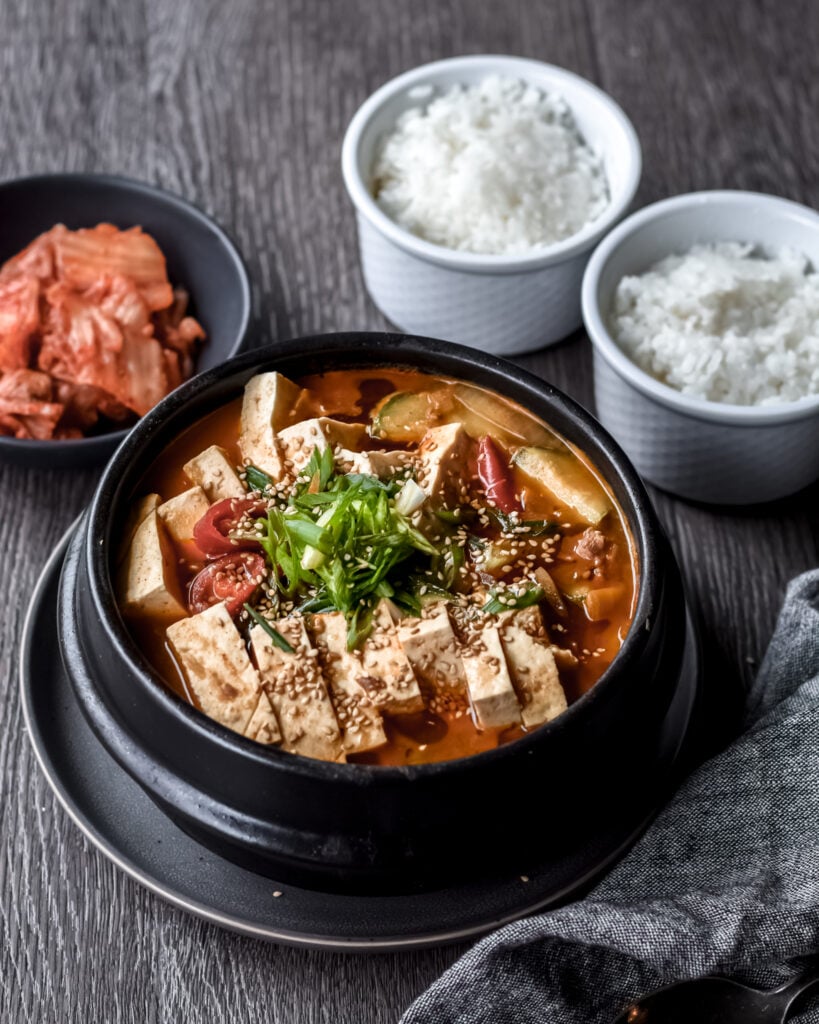
Soondubu Jjigae (Soft Silken Tofu Soup)
A bubbling Korean stew featuring soft silken tofu and a spicy, savory broth. Crack a raw egg into the hot soup right before eating. A rich and comforting meal that’s surprisingly not too heavy.
Best for: cold nights, spicy food lovers, cozy weeknight dinners

A hearty Korean stew flavored with Gochujang or Korean red pepper paste. An easy way to turn pantry staples into a satisfying meal. Add potatoes to thicken the broth and whatever meat and veggies you have on hand.
Best for: pantry cooking, easy weeknight meals, gochujang lovers

Long Simmered Broths
Gamjatang (Spicy Pork Bone Soup)
Pure Korean comfort food made with pork neck bones, potatoes and perilla leaves in a spicy, savory broth. The tender meat falls off the bone and the long, slow simmering gives the broth a rich flavor.
Best for: weekend cooking, hearty meals, Korean comfort food
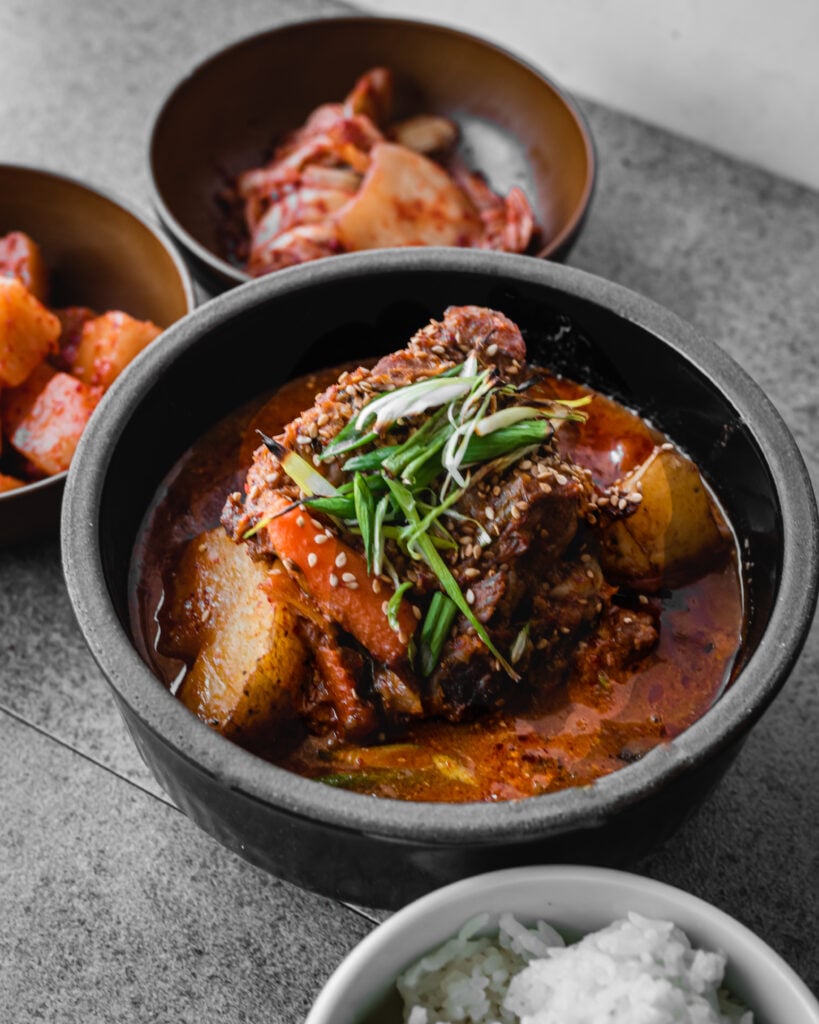
Dak Gomtang (Chicken Soup)
A simple Korean chicken soup made by simmering a whole chicken until tender. The clean, savory broth and chewy sweet potato noodles makes this especially good.. The shredded chicken can be seasoned two ways: spicy and non-spicy.
Best for: easy comfort food, light meals, soothing chicken soup

Kkori Gomtang (Oxtail Soup)
A comforting Korean beef soup made with meaty oxtails. They are simmered until the meat is tender and the broth is rich and full-bodied. Add sweet potato noodles (dangmyeon) for a cozy and satisfying meal.
Best for: slow cooking, nourishing comfort food, collagen boosting broth

Yukgaejang (Spicy Beef Soup)
A hearty, spicy Korean beef soup made with shredded beef, scallion and fern bracken (gosari). The deeply savory broth has a spicy kick of flavor. A substantial soup enjoyed with a bowl of rice.
Best for: spicy food lovers, cold weather, hearty meals

For Special Occasions
Samgyetang (Ginseng Chicken Soup)
A small young chicken (or cornish hen) stuffed with glutinous rice, jujubes, garlic and ginseng and simmered until tender. In South Korea, this soup is enjoyed on the hottest day of summer because of its restorative energy.
Best for: special occasions, restorative meals, summer or winter comfort

Tteok Mandu Guk (Rice Cake + Dumpling Soup)
Chewy rice cakes and dumplings in a savory broth. Traditionally associated with Korean New Year (Seollal), it’s a comforting meal anytime you want something hearty and satisfying.
Best for: holidays, winter meals, Korean New Year

Communal Hot Pots
Budae Jjigae (Army Base Stew)
A uniquely Korean stew made with Spam, hot dogs, tofu, instant noodles and processed cheese in a spicy anchovy broth. Born from post-war Korean food culture, it’s an irresistible mix of flavors and textures.
Best for: casual gatherings, cold nights, fun group meals

How to serve
One of the easiest ways to make Korean soups and stews feel like a complete meal is to keep the rest of the table simple. You don’t need ten different banchan.
Start with:
Soup or stew + rice + 1–2 side dishes
For example:
- Gyeran Guk + rice + Oi Muchim
- Kimchi Jjigae + rice + Gyeran Mari (Korean egg rolls)
- Doenjang Jjigae + rice + Ssamjang Chili Peppers
- Tteok Mandu Guk + kimchi
- Samgyetang + kimchi
A simple bowl of rice and a couple of flavorful sides can turn one pot of soup into a complete meal.
Pantry Essentials
A few staples will take you surprisingly far:
Doenjang
Korean fermented soybean paste. It’s essential for Doenjang Jjigae and adds deep, salty, earthy flavor to soups and stews.

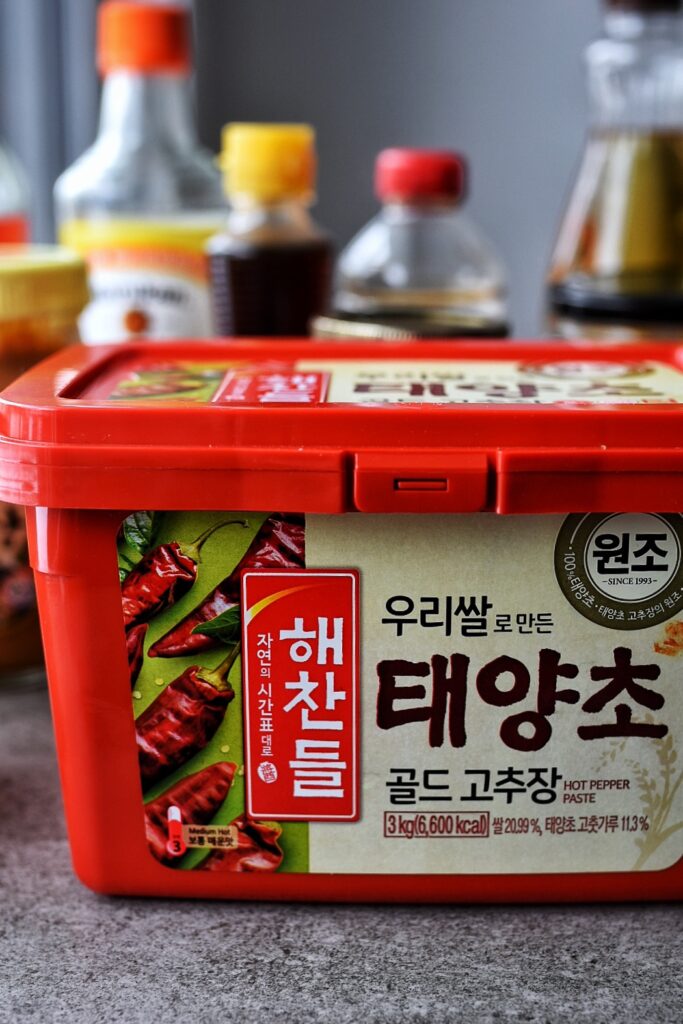
Gochujang
Korean fermented chili paste. It’s spicy, savory, slightly sweet, and adds body to many Korean dishes.
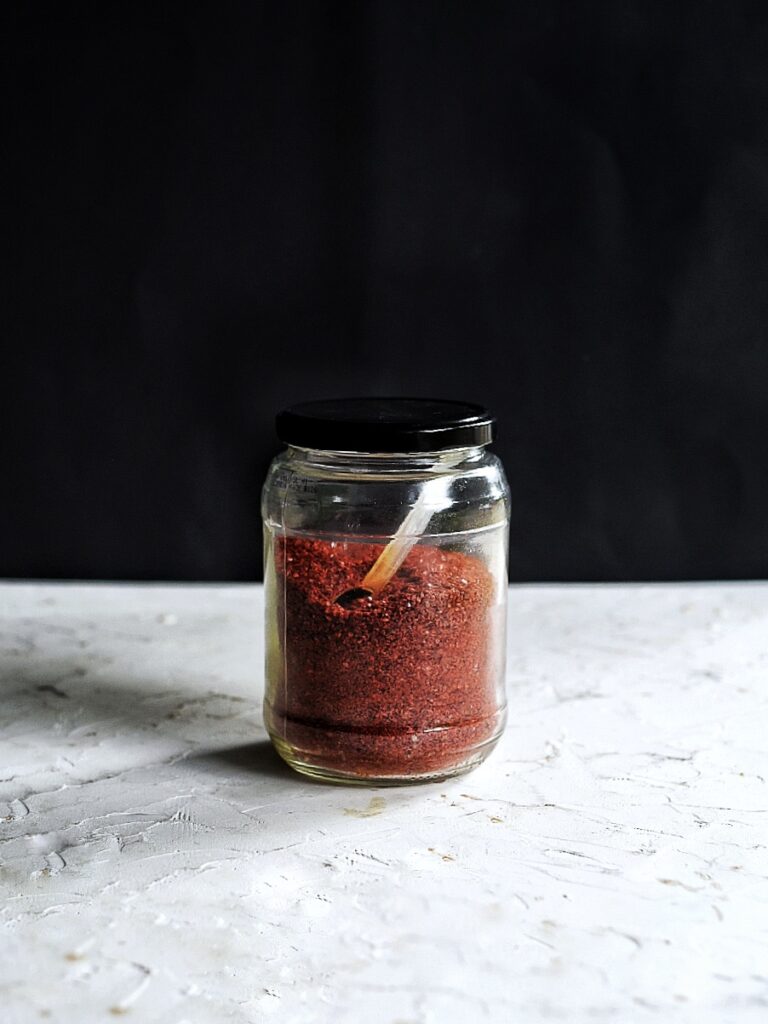
Gochugaru
Korean chili flakes. Look for coarse flakes for cooking and soups. The flavor is moderately spicy and fruity rather than simply hot.

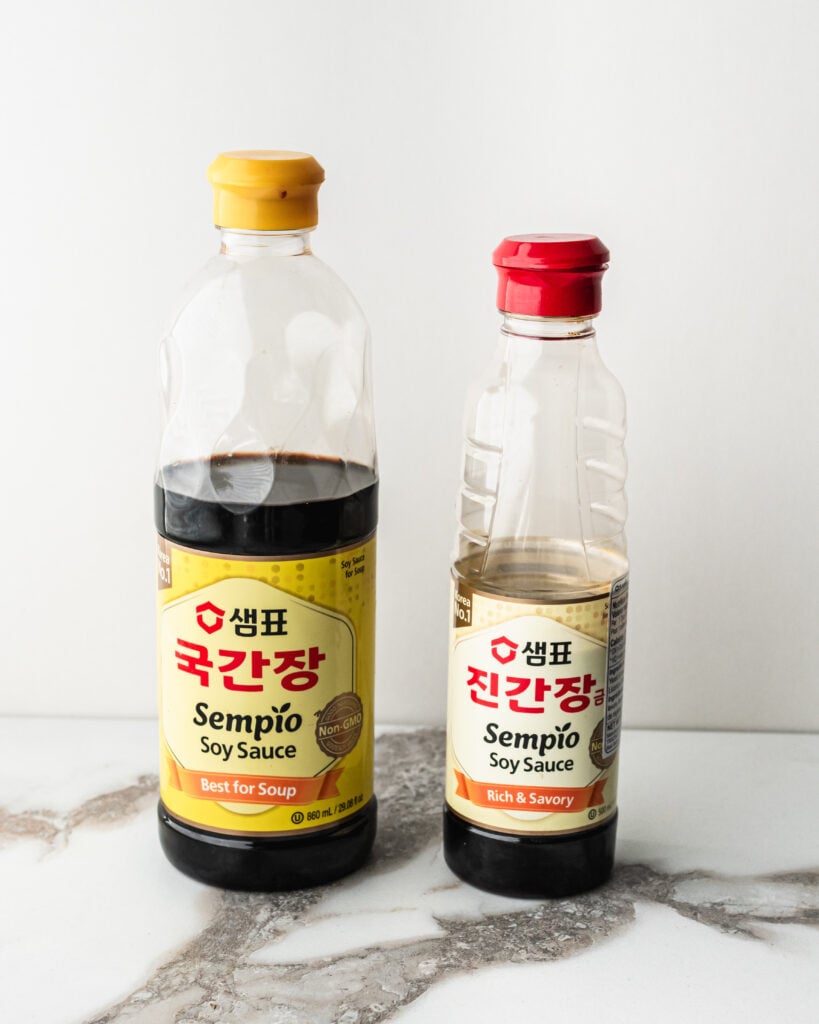
Soy Sauce
Many Korean soup recipes call for Guk Ganjang, which is a type of soy sauce that is saltier and more concentrated in flavor. It seasons the soup while keeping the broth light and clear.
However, regular soy sauce also works just fine. The broth will be slightly darker and you may need to add more salt and soy sauce. My only recommendation: do not to use low sodium soy sauce as it lacks umami depth and tastes slightly metallic.
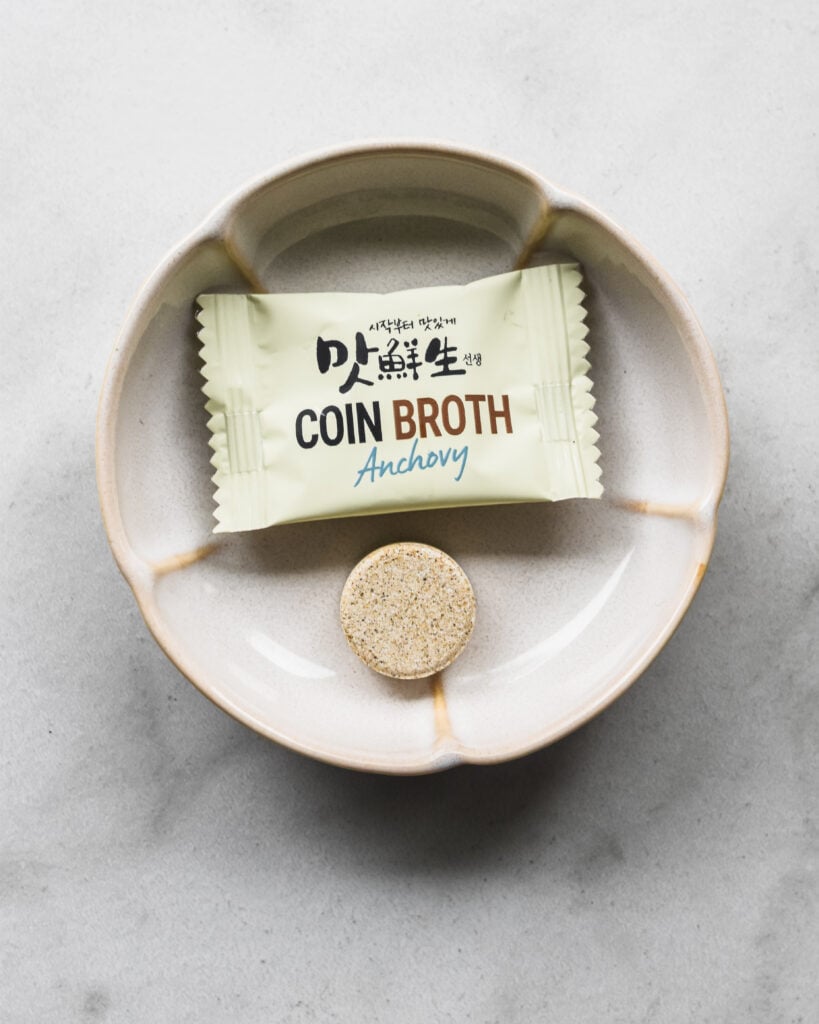
Anchovy Broth Coins
Essential for making a classic Korean-style broth base. Similar to chicken bouillon, it’s a fast and easy way to get home cooked flavor. Keep them in the pantry or freezer and you can make a flavorful soup stock anytime.
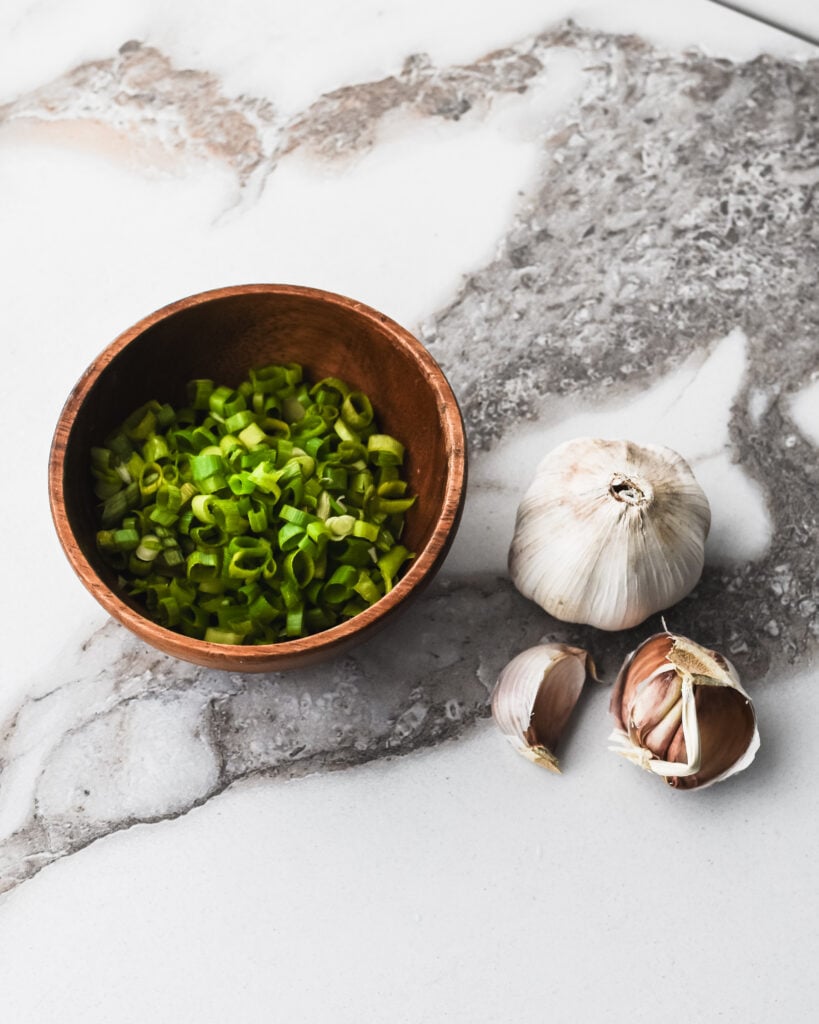
Garlic + Green Onion
Two everyday ingredients that show up constantly in Korean cooking. Keep both on hand and you’ll always have a way to add freshness and quintessential Korean flavor.
More Korean Recipes
Build your Korean cooking repertoire beyond soup. To start, pair these recipes with your favorite bowl of soup:
- Bibimbap. Learn the basic formula for building a Korean rice bowl with rice, vegetables, protein, sauce and toppings.
- Jumeok Bap. Korean rice balls are an easy way to turn leftover rice into a fun meal or snack.
- Gyeran Mari. A Korean rolled egg dish that’s simple enough for a weeknight and works beautifully alongside soup and rice.
- Dubu Jorim. Spicy braised tofu that’s packed with flavor and perfect with steamed rice.
FAQ
There isn’t one single soup that’s considered the most popular. But staples of Korean cooking include: Kimchi Jjigae, Doenjang Jjigae, Mu Guk (Beef Radish Soup) and Kongnamul Guk (Soybean Sprout Soup).
In general, Korean soups are light and clear with more broth. Korean stews (jjigae) are more concentrated in flavor and packed full of meat, vegetables and tofu. However, there are many exceptions and many Korean soups and stews don’t fall neatly into one category.
Korean soup is commonly served with steamed rice and banchan. Depending on the soup, kimchi, seasoned vegetables, tofu, eggs, or other simple side dishes might accompany the meal.
Not at all. There are many soups that are quite mild. For example, Gyeran Guk, Mu Guk, Miyeok Guk (Seaweed Soup), Kongnamul Guk and Tteok Mandu Guk, etc.