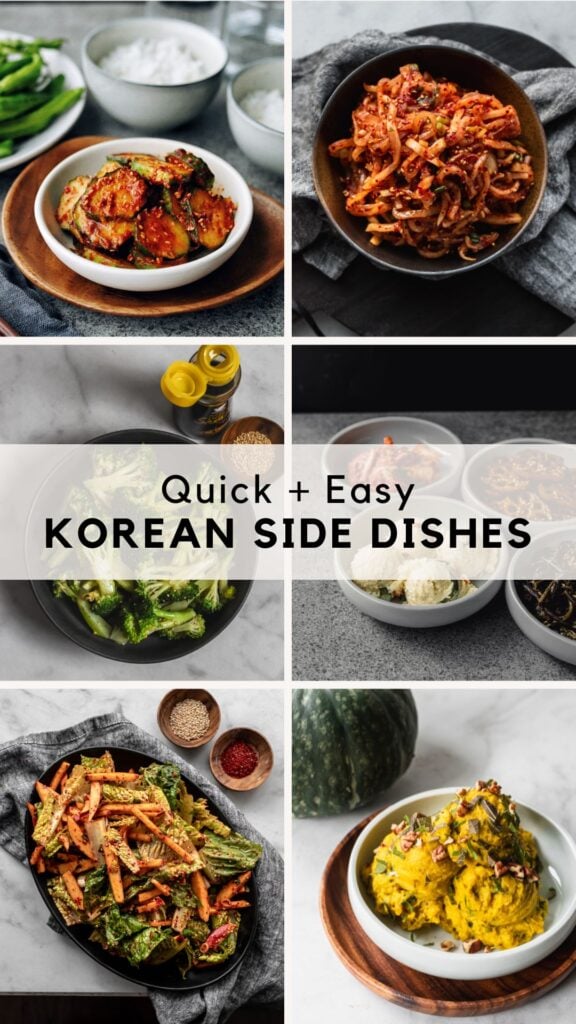
A collection of easy Korean Side Dish recipes. Try these beginner-friendly banchan that are simple enough for weeknights but fancy enough for dinner with friends. Whether you’re looking for traditional Korean side dishes, healthy vegetable recipes, or easy ways to complete a Korean-inspired meal, this roundup has something for everyone! Make ahead of time and add color, texture, flavor, and variety to your everyday meals. Or mix and match with your favorite Korean soups and main dishes.
- What are Korean Side Dishes (Banchan)?
- How to serve Korean Side Dishes
- Korean Banchan Recipes
- PRO Tips:
- Serve with
- FAQ
- More to explore
What are Korean Side Dishes (Banchan)?
Korean side dishes, also called Banchan, are small dishes served at Korean meals. They include vegetables, fermented foods, seasoned greens, tofu, pickles, and more.
Banchan are served in the middle of the table and shared with everyone. They are the backbone of Korean cuisine. Instead of one large main dish, there’s a larger variety of smaller side dishes. They add balance, flavor, and texture to a meal. They also ensure there is something for everyone!
There are many different kinds of Korean side dishes, up to 100+ kinds. They can be roughly divided into 5 categories:
- Namul. Seasoned vegetables or greens. Ingredients are blanched, steamed, and lightly seasoned.
- Jorim. Braised over a long time. Ingredients are simmered in a flavorful broth until tender and the sauce is thick and reduced.
- Bokkeum. Stir-fried in a skillet. Usually includes a savory or spicy sauce with aromatics.
- Jeon. Pan-fried pancakes, vegetables, or meat. Ingredients are coated in a savory batter and fried in a skillet.
- Jangajji. Pickled vegetables in soy sauce and vinegar.
Note: Kimchi is technically not a banchan but exists in its own category.
How to eat Korean Side Dishes
A typical Korean meal includes rice, soup, and several side dishes. The most simple meal is rice with a fried egg on top and 1-2 side dishes. A fancier meal will include meat dishes, a hearty soup, and a larger amount of side dishes.
Banchan makes it easy to have ready-made meals all week long. Most side dishes take 10-15 minutes to make, can be made in advance and taste good even after several days in the fridge. All you need is rice for a quick and convenient meal.
Korean Banchan Recipes:
Namul or Muchim (Seasoned Vegetables)
Korean Cucumber Salad (Oi Muchim)
Crispy, crunchy cucumbers. Fiery, vibrant dressing. Easy, delicious, and on the table in 10 minutes!

Crispy and crunchy Korean chili peppers mixed with a dollop of ssamjang. So tasty and easy!

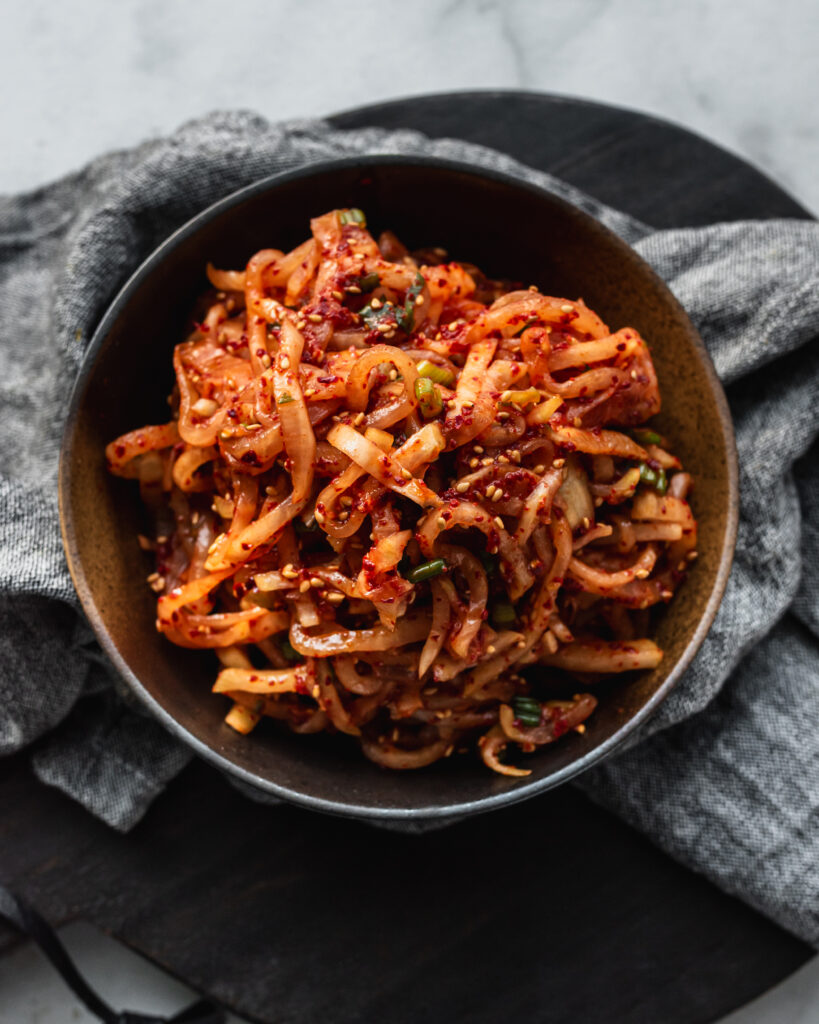
Spicy Radish Salad (Mu Sangchae)
The classic Korean side dish that is easy to make and easy to love. Crunchy radish, an easy pantry dressing, and so delicious and healthy.
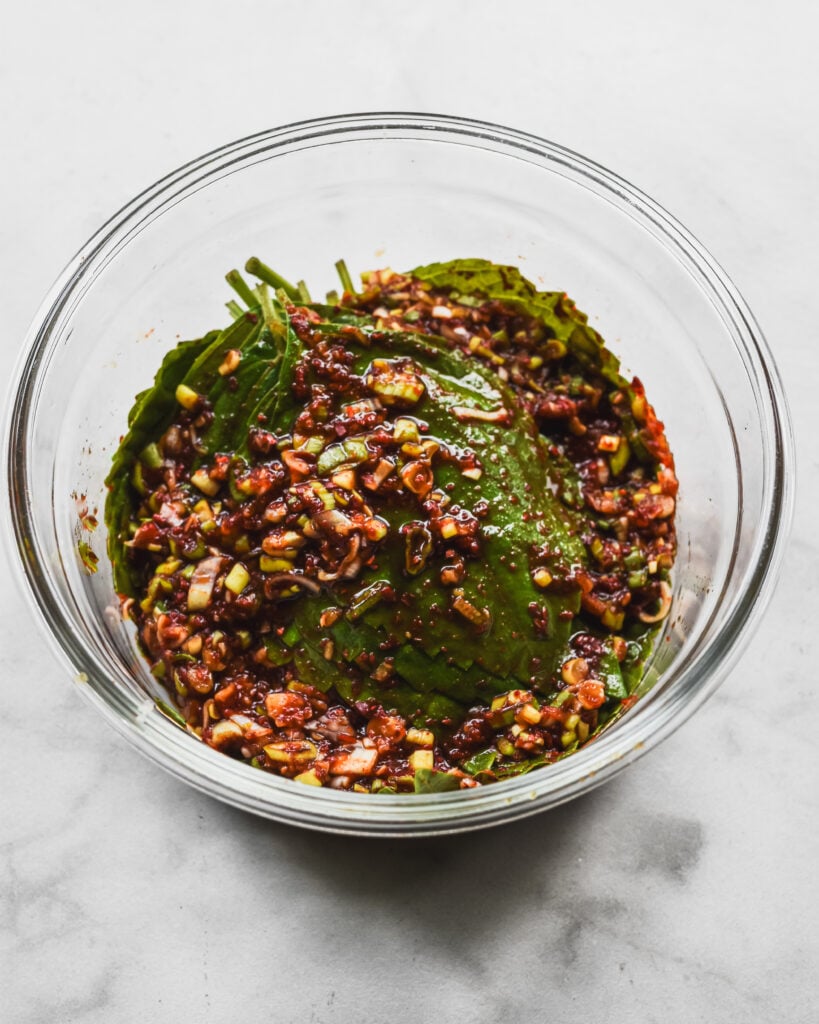
Marinated Perilla Leaves (Kkaennip)
Fresh perilla leaves (kkaennip) marinated in a tasty sauce. The leaves will absorb and soak in all the dressing!
Make plain steamed broccoli extra special with sesame oil and sesame seeds.

Crisp romaine lettuce and sweet apple strips are mixed with a fiery, vibrant Korean dressing. Especially good with Korean BBQ!

Jorim (Braised + Stewed)
Thick blocks of tofu cooked in a savory, spicy sauce. Filling, satisfying, and full of plant-based protein.

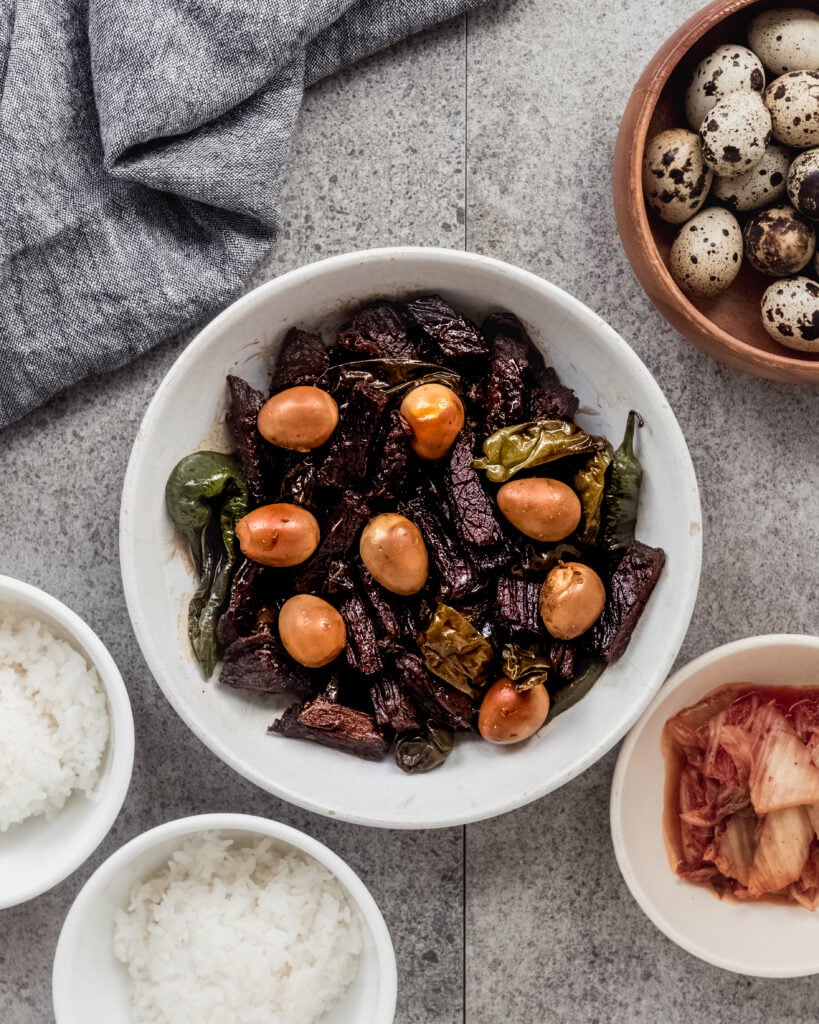
Jang Jorim (Braised Soy Sauce Beef with Quail Eggs)
A childhood staple that my Halmoni kept in large batches in the fridge. The soy sauce marinated beef keeps a long time in the fridge and tastes so good with rice!
Braised Lotus Root (Yeongeun Jorim)
Sliced lotus root cooked in a salty-sweet braising liquid. The sticky glaze and crunchy texture is so good!

Bokkeum (Stir Fried)
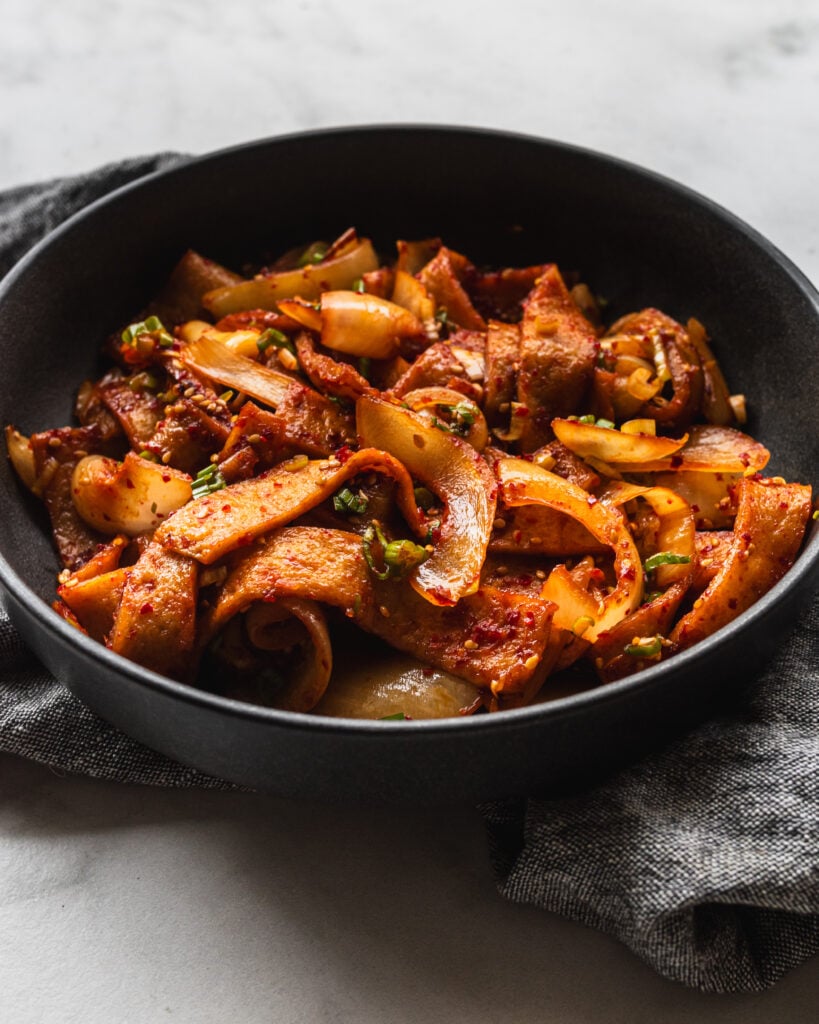
Spicy Stir Fried Fishcakes (Eomuk Bokkeum)
Full of protein and savory flavor. Everything is stir fried in a pan in 10 minutes!
Jeon (Pan Fried)
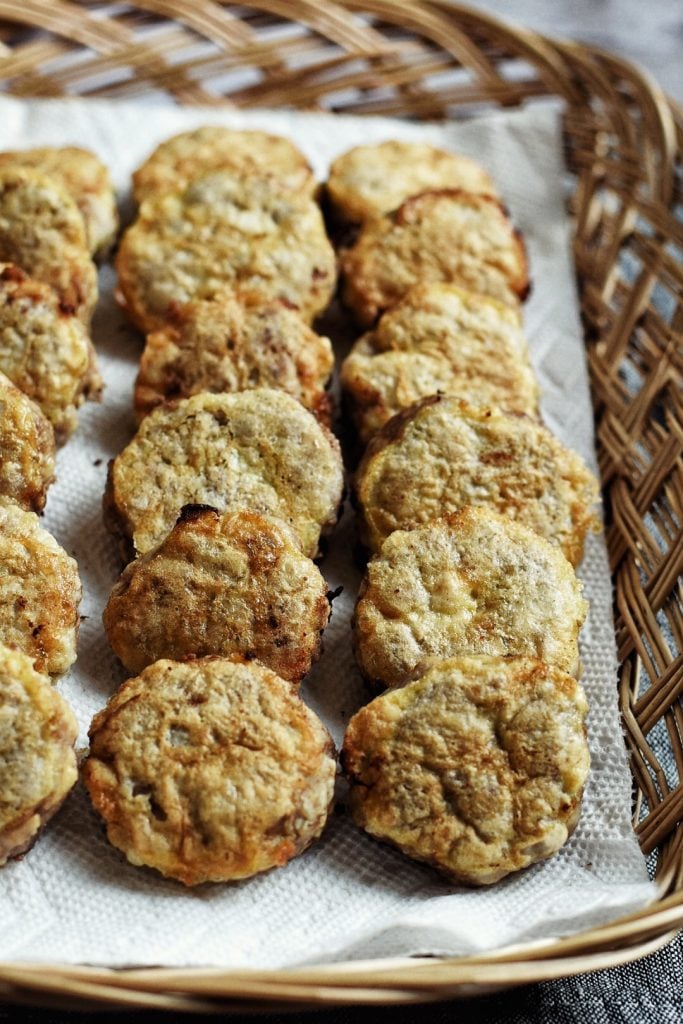
Little beef patties mixed with tofu and onion, dipped into flour and egg batter, and pan-fried.
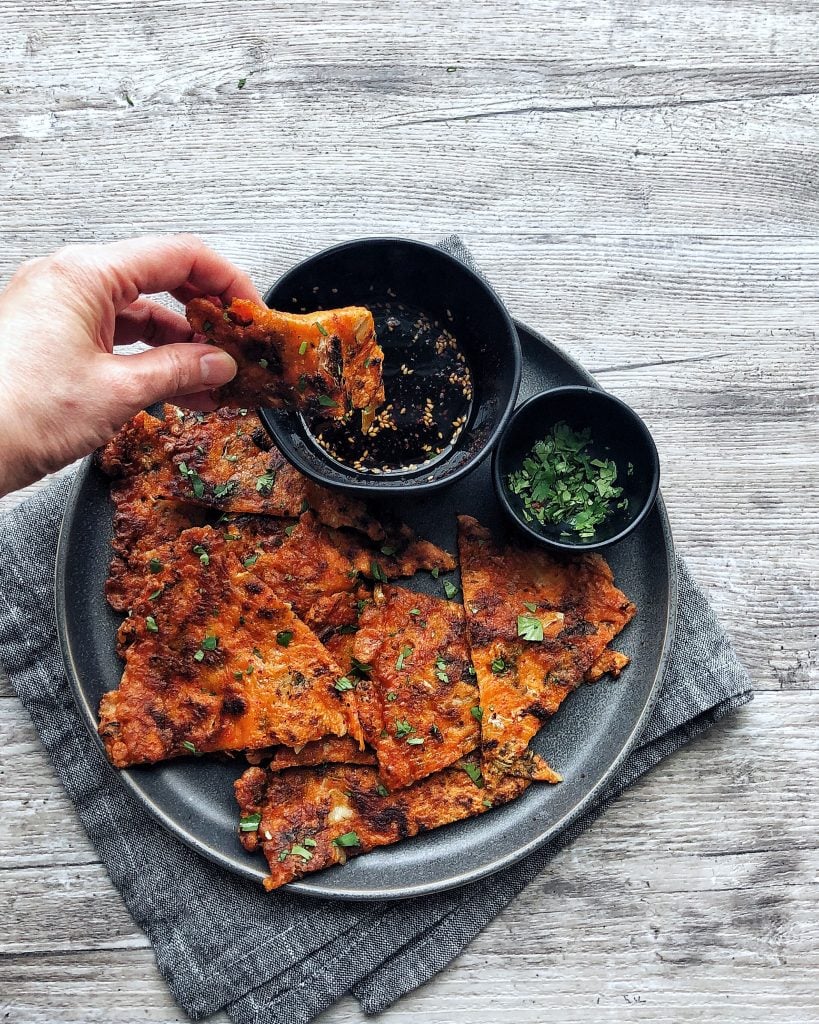
A crispy, savory pancake loaded with kimchi. YUM!
Eggs
A satisfying, savory side dish with fluffy steamed egg. A year-round favorite that is hearty and delicious!

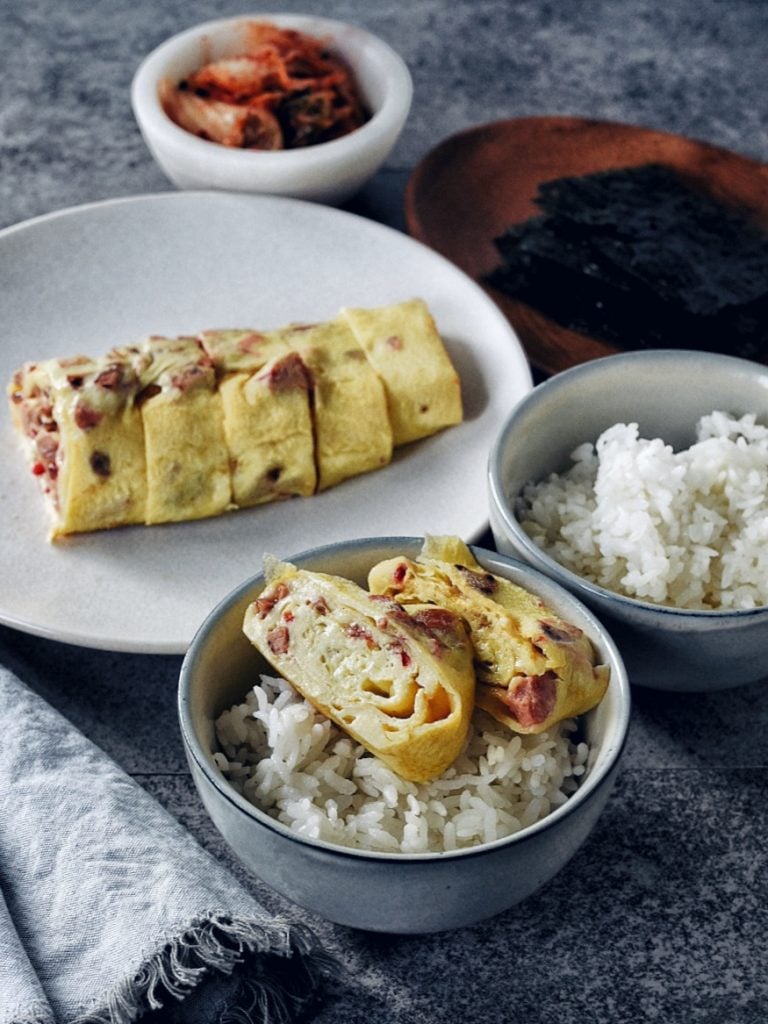
A simple rolled omelet loaded with your favorite fillings. Good for packing into lunch boxes, too.
MISC.
The ultimate potato salad that is creamy and fluffy with just the right amount of tang. Full of veggies to make it fresh!

A sweet and savory dish made with Kabocha squash. The fluffy texture and creamy texture is everything!

A no-cook recipe starring a block of soft silken tofu and 5-minute Korean dressing. Perfect for hot summer days!

Use canned quail eggs (already cooked and peeled) to make this side dish even easier.

PRO Tips
- Mix with your hands. Hand Mixing (vs tongs) is preferred in Korean cooking. Helps the veggies absorb the dressing better. Creates a better overall texture, too. *Use food service gloves or clean hands.
- Store in airtight container. Korean side dishes are meant to be stored in the fridge and eaten over a few days. Keep banchan in separate individual containers. That way, it will be easier to take out of the fridge and enjoy with rice.
- Serve a variety. You don’t need to make dozens of side dishes. Instead, choose a few and create a balance of flavors and textures. You can change up the side dishes if you get bored.
Serve with
At every meal:
- Rice. Since Korean side dishes can be quite salty on their own, serve with a bowl of rice. White rice, brown rice, or purple rice all make nice options.
- Kimchi. Technically not considered a banchan, kimchi is a dish that exists in its own category. Serve at every meal, alongside other side dishes.
More additions:
- Soup. Everyday soups such as Doenjang Jjigae, Beef Radish Soup, or Soybean Sprout Soup make nice additions. Kimchi Jjigae or Gochujang Jjigae are also good.
- Meat. Serve with any kind of grilled meat. Some nice options: Bulgogi, Samgyeopsal (Grilled Pork Belly), Spicy Korean Pork, or Gochujang Chicken.
- Lettuce Wraps (Ssam). Koreans often serve a stack of lettuce leaves or perilla leaves at every meal. Use as a vegetable wrap for rice and meat. Or eat on its own, dipped in sauce.
- Seaweed Snack (Gim). Add a stack of roasted seaweed snack. Similar to lettuce wraps, Gim can be enjoyed as a wrap for rice while eating the various side dishes and meat.
- Sauce. Either Ssamjang or Gochujang sauce.
- Veggies. A side dish of cucumber sticks, carrot sticks, or peppers (shishito peppers or Korean peppers). Even bell peppers or sweet tomatoes taste very good. Be sure to dip into ssamjang or gochujang sauce!
FAQ
No, many Banchan are served cold or room temperature. They are ideal for meal prep. Simply pull out of the fridge and serve with rice.
Many Korean Banchan can be stored in the fridge for several days. They are convenient for quick meals throughout the week.
The most common ones include seasoned vegetables such as Spinach (Siguemchi Namul), Soybean Sprouts (Kongnamul Namul), Radish (Mu Sangchae), or Cucumber (Oi Muchim). But there are a huge variety including ones with tofu, acorn jelly, lotus root, stir fried potato,
More to explore
- Korean Food for Beginners: 10 Easy Recipes to Start
- 20 Easy Recipes with Kimchi
- What is Gochujang?
- Basic Korean Pantry (coming soon)